It’s Tundra Time

The ’22 Tundra, Re-Examined

It has taken 15 years to build a new Tundra. It’s taken almost that long for me to post something new on this site. Coincidence?

The recent history of full-size pickup trucks in the United States, the home of (apparently) more people that have to move belongings around and haul things than any other nation on earth, has been an interesting one. When I was a kid, well before these things became the best-selling vehicles on the American Road, I loved the big metal clydesdales. I was particularly interested in the one that resided at my home in Texas, which was a type of which most of the 20 to 30-something owners of trucks these days have never set eyes on, heard of, or seen in person. The object of my young obsession was, stand back, a 1972 International Harvester 1310-Eight Camper Special. Standard cab, 8-foot bed, 392 cubic-inch V8, 5,000 lb. payload capacity, full-floating rear axle, leaf springs at all four corners (including two-stage monsters on the rear that could be used on a dump truck) and a frame you could use as the basis for a bomb shelter. It had huge interstate struck-style mirrors, and this One-Ton wonder was designed primarily to haul an enormous slide-in camper, which it did quite well. Those things were quite popular in the day, and as a result I developed an appreciation for light trucks that could do heavy chores. I loved the things, way before they took over the highways from sea-to-shining.
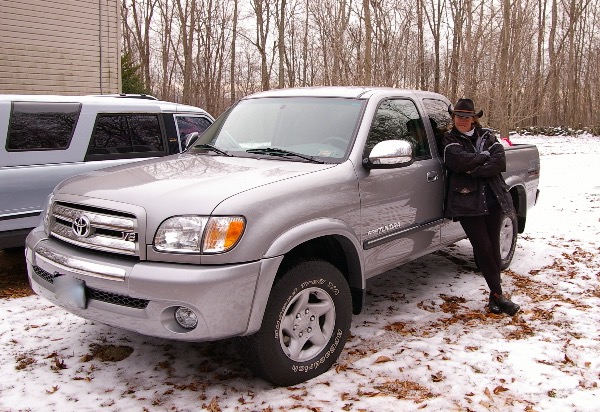
Cut to 2004. We had a small horse herd and an older, heavy two-horse trailer it was decided the wife needed to step up from a ’97 midsized SUV to a 1/2 ton pickup for towing and general hauling duties. We got a slightly used ’04 Toyota Tundra, which turned out to be an excellent truck. Being in the Northeast, 7 or 8 years later we had the frame replaced due to rust issues (they dump so much salt and “melting agents” on the roads around here it takes years off of vehicles, regardless of the manufacturer). The replacement of the frame was covered under a Toyota warranty arrangement (and took our dealership a mere 5 days to achieve). But not too long after, we got a bigger horse trailer and as I had reviewed a couple of 2nd generation Tundras and preferred them to the competition we traded in our our ‘04 for a brand spankin’ 2014. If anything, it’s turned out to be more of a workhorse than the truck it replaced and a seriously solid farm truck with a glorious 5.7 Liter V8 that has been stellar in reliability and hauling muscle. It also has a decent ride, and other than some over-boosted power steering has been as good if not better overall that the trucks I’ve reviewed from all the other guys over the years. I think this is because it was designed by truck engineers that weren’t so focused on making it a platform for the latest tech, and from the frame up was a platform unique to the brand’s other offerings. Granted, over time the Sequoia used the basic frame and both it and the Land Cruiser adopted the 5.7-Liter V8, but the Tundra backbone certainly looks like it came first, and the basic engineering (with this, at least) was for the truck before the other projects.

Or so I believed. But after bringing this up with Toyota, they stated that the ’07-on chassis was more of a world design sort of thing than rubes like me thought, and even told me the American team actually had more influence on the ’22 Tundra’s frame than the earlier model. “We actually had more design input into this new global architecture, and it allowed us to marry the best of Land Cruiser and Tundra into a global truck platform,” explains Jay Sackett, Executive Program Manager for Tundra. So why so much focus on the frame in my history of the new truck? Well, in this case it’s not just a critical part of the vehicle and its ability to haul and tow stuff without getting (literally) bent out of shape. The new Tundra backbone is at the center of the story of the Tundra’s complete metamorphosis, and makes it probably the only full-size pickup that’s largely based on a world-conquering SUV. An aside: the Tundra’s Super Bowl ad this year prominently features the heritage of the truck, including the Land Cruiser in a definite nod to the legendary ute. So what we have here is an intriguing story based on a few months of careful research, and (of course) a week with the truck on my own turf. Some of my theory may even be true. I also got some very enlightening answers from the Tundra engineering team, which considering their manic schedules these days was much appreciated. As you will see, they did their work under some very challenging conditions including dealing with COVID, and what I consider to be a very tight timeline for such a big project. And the finished product is a very unique bird as a result, and quite a bold (yet not free from tradition) expression of where we are in the evolution of the trusty old pickup.

So the story goes like this: roughly 2 years before the launch of the 2022 Tundra, a substantial team of engineers was assembled in Japan (cue Avengers music here), with a very critical mission: design the new World platform for the new Land Cruiser, Tundra and Sequoia as well as for other (officially undisclosed) trucks and SUVs. The key here is these are all actually very different vehicles, for a Land Cruiser and a full-size pickup have very different missions in life and the new frame would logically have to be primarily designed for one, and then modified to handle the other. I want to stress this means the “hero” vehicle may get the most initial attention, but it doesn’t require the secondary vehicle to be a compromise in the least. The last time I checked, Tundra is sold only in North America, is built at only one plant, meaning there are only so many units that can be built in this one facility. The Land Cruiser and its variants are sold all over the world, and while I don’t know Toyota’s production capacity for this one when you add the other derivations that will use this basic global frame architecture you realize the Tundra is more of a specialized piece, being a full-size pickup solely for the North American market. Therefore, the fact that the new Tundra has a fully boxed frame unlike the boxed, double-channel and open channel Triple Tech masterpiece from before, and you can see that the influence of the new Land Cruiser chassis is obvious and logical, from a production point of view.

To further my theory, we have a new coil spring rear suspension that also looks taken almost directly from the Cruiser. By now, you’ve no doubt seen Toyota’s excitement over the new rear end and heard why it’s better than the old leaf spring setup of the past. But the stiffer frame means the suspension has to be softer and more flexible to maintain a decent ride, and while there are some real benefits to the coil (or optional air) springs I want you to ponder this: the new suspension is a whole order of magnitude more complex than the simple old setup from before. There’s nothing that should cause any real reliability issues as it’s still a simple, time-tested way of suspending a straight or “live” axle, but the old housing was located just with the leaf springs while the new axle has five different links and an anti-sway bar, and this makes for more complex assembly and probably more overall weight. In return you get more tracking precision and likely more suspension travel. And ride quality? Toyota doesn’t agree with my assessment, but then again, I don’t think the RAM coil rear suspension is any better than the leaf springs it replaced, either. I’m talking real world, day-to-day rough and smooth road activity as opposed to test course stuff. As for the Tundra, I drove our ’14, with its stock TRD Off-Road suspension back-to-back with a ’22 Tundra Limited with its TRD Off-Road suspension package over some very diverse roads, and actually thought the old leaf spring/less rigid rear frame on our truck road better over several surfaces. Handling is a different story, for the newbie is much tighter, more responsive and sharper, and while the new frame and suspension helps I think the biggest change is the new electronic power steering. It’s quite good.

My thinking is that when it comes to a 1/2 Ton pickup, a vehicle that routinely goes (when actually used to haul things) from no load to up to a ton when fully burdened, it’s really hard to beat the old leaf spring when constructed of the latest steels and composites, to delivering the best load stability and overall ride quality. SUVs like the Land Cruiser don’t carry loads the way a full-size pickup does, and the fact that a pickup’s bed can flex away from the rest of the body is a real advantage on rough roads with heavy loads. There’s also the simplicity, with far fewer components to repair and replace if you drive over an unseen crater while hauling a gross of cannon balls to the armory. The traditional rear end is a tough one, which is why it’s been largely unchanged over time. Oh, and I should note the old Chevy C-10 of the 60s and early 70s had rear coils, with massive beam-type locating arms. How did that work out?

Of course, back then people bought trucks primarily to haul cargo and work, not as a second car the way they do these days. GM learned the rear coils didn’t suit the job description as well as leafs, I guess. Obviously pickups are more urbanized this century, and therefore have suspensions optimized for the life they now lead. This means that the standards for smooth pavement ride quality are higher, and the off-road requirements are for a more comfortable ride than in the past as well. Unlike most vehicles, pickups have to do this under widely varied load conditions because you could be hauling nothing in the bed or a load of barbells. A big load played havoc with the rear coils of old, especially when the trucks had a lot of miles on them and the shocks were overtaxed. Time will tell how this new rear setup does compared to the old leafs, but all I know is the ride on the new Tundra, while well-controlled, seems a bit busier over roads that get a fair amount of snowplow traffic in the winter. By “busy” I mean more high frequency vibes as if the tightness of the rear end frame/coil setup is passing more road character to the cab. I actually watched a YouTube program from Canada where the lads did some towing with the Tundra and a Silverado, and they basically said the same thing when it came to similar roads. It’s important to note none of the suspension components were really broken in on the test truck I had with only 600 miles on the clock, so it’s reasonable to assume things may improve over time. It’s not punishing by any means; just more active than the older truck which seemed to absorb more irregularities.
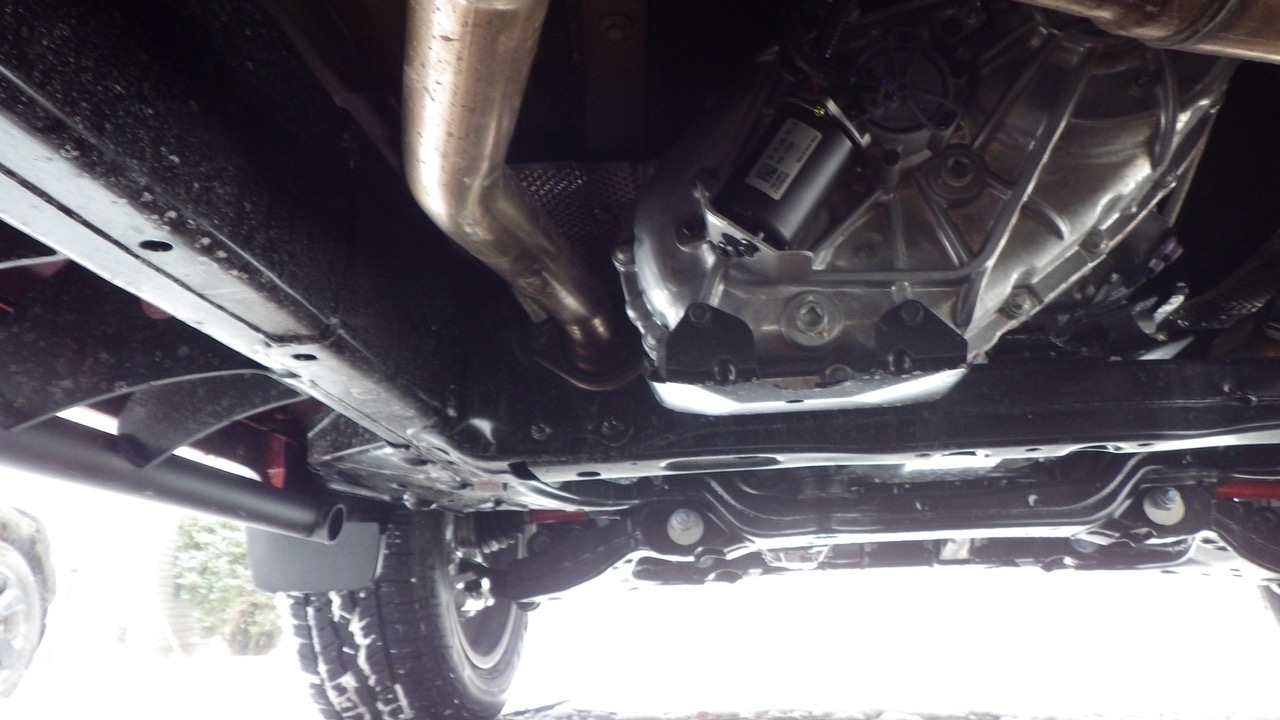
But in terms of the rest of the driving dynamics, steering feel with the new electric boost is much more responsive with much better feedback than before, and overall the truck corners really well for such a big ol’ thing. Since I’m obsessed by the frame behind all these changes, I should note it’s a fascinating construction, and I’ll let Jay Sackett, Executive Program Manager for Tundra, explain: “The new frame is built with new technology that allows us to do different things,” he said, in response to my question of how they ward off rust with the new backbone. “The previous frame relied on a layer-on-layer design to create additional stiffness in areas, but our new Dejima welding technology allows for the marrying of different thickness in metal in a way that allows us to be more efficient-improve strength in areas where needed and reduce weight where it’s not. The technology also creates cleaner welds. Ultimately, we can achieve better stiffness out of the frame and have improved drainage.” You can see that such technology will benefit any vehicle that’s built on it, in addition to helping with long term durability.

Next, we get to the engine bay. There are two interesting things here, and I’m not referring to the twin turbochargers (compelling though they are). As you know, the V8 has been replaced by a 3.5 Liter V6 (that’s really closer to 3.4, for some odd reason) with a brace of very finely tuned turbochargers, or Tubbos as I called them when I still lived in Texas many, many years ago. Now, if we go back to the original Tundra’s V8 offering it was a 4.7-Liter unit that was sourced (or at least closely based on) a Lexus V8 of the same displacement. Low and behold, the 3rd generation Tundra’s new engine is based on the 3.5 Liter Twin-Turbo Lexus engine found in the likes of the LS 500. There are some differences, yes, but the basics are the same right down to bore and stroke. The 2007 Tundra initially had the Lexus-derived engine, but Toyota also built the superb 5.7 Liter V8 that was from the ground up a proprietary truck engine. It has been a real jewel in every aspect except for gas mileage (although to be honest it was in the ballpark of every competitor with similar output). So the new ’22 engine has more power (389 Horsepower, 479 lb.-ft. of torque), better fuel economy and drives beautifully, assisted by a new 10-Speed Automatic transmission. But is Toyota going to follow past practice and at some point build a proprietary engine primarily for the Tundra; a mill not based on any other current Toyota offering? “The global platform was designed with a certain level of future proofing and what potential powertrains could be employed in this truck,” explains Sackett, “which as Mike Sweers (executive chief engineer for the Toyota Tundra, Sequoia, Tacoma and 4Runner vehicle programs) has addressed a few times is capable of accepting different powertrains. Ultimately, this is something under constant study.”
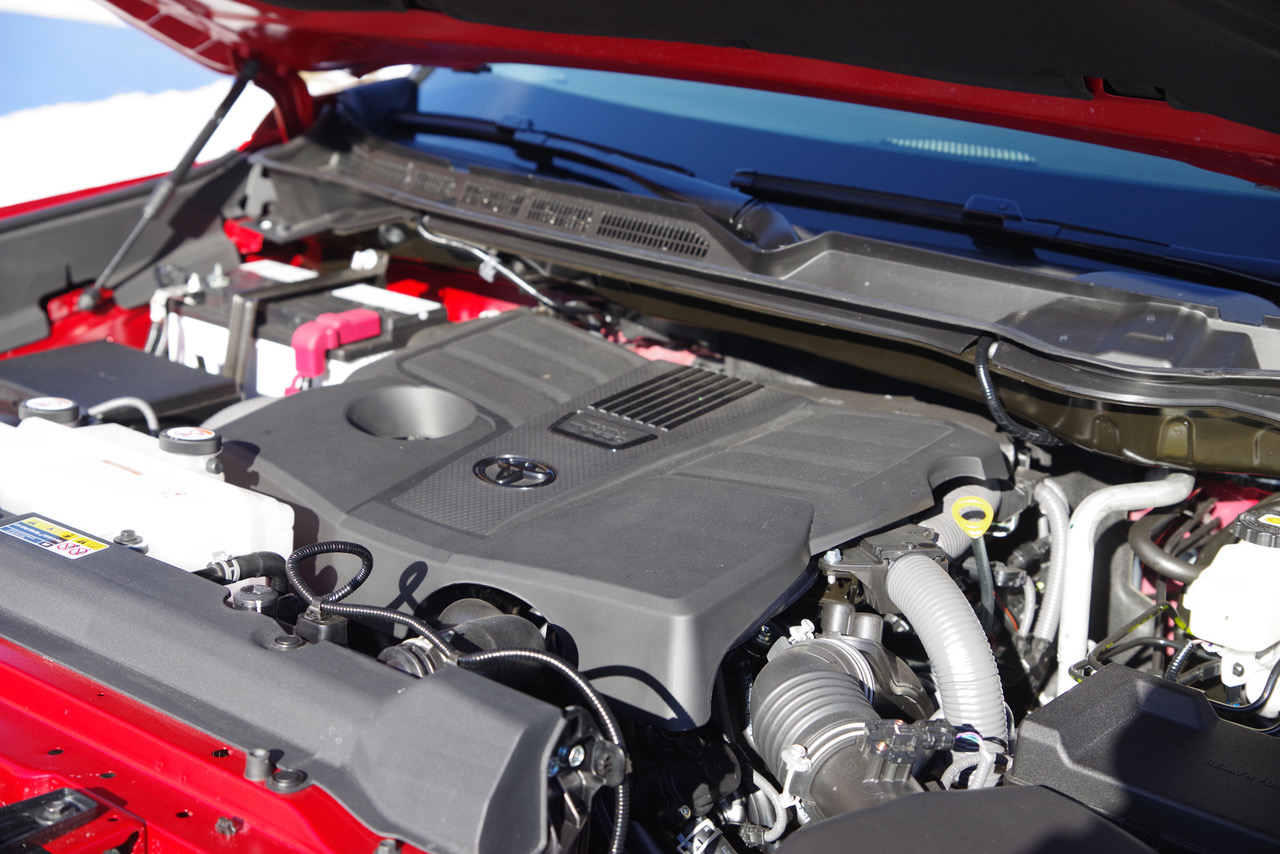
So with the constant advancement of powertrain technology, including the Hybrid version of the V6 which will appear at dealers any time now, it’s logical to think this new Tundra will serve as the basis for Toyota’s full size pickup/SUV/mystery vehicle for several years to come, and will be able to accommodate a variety propulsion units. The current V6’s developmental history has a bit of intrigue to it, above and beyond the Lexus connection. This story is a doozy, because both concerns involved refuse to talk about it, at least with me. Interested?

Back around 2010-2011, Toyota and Ford decided to share resources and co-develop a Hybrid engine for light trucks. A few years later they called it off and went their separate ways, with the only public statement basically saying they decided to go in different directions. As mentioned, neither Ford or Toyota will address this issue when asked about it, as if they are taking a page from politics. But low and behold, Ford showed up in 2021 with a Hybrid engine in the F 150, a 3.5 Liter Twin-Turbocharged V6 with a series-mounted 47 horsepower electric motor and a 10-Speed Automatic transmission. In 2022, Toyota is releasing a Hybrid engine; a 3.5-Liter Twin Turbo V6 with a series-mounted 48 horsepower electric motor and a 10-Speed Automatic transmission. Amazing, yes? Horsepower and torque numbers are very close as well. It’s important to note that the V6 engines aren’t identical at all, as the Toyota is a longer-stroke mill that makes its torque lower in the rev range and there’s all kinds of detail differences that contrast how the two companies do things. The Ford uses a Lithium-Ion battery pack mounted underneath the bed, the Tundra has a Nickel-Metal-Hydride residing under the rear seat. Both trucks are Crew Cabs, and this doesn’t surprise me as all as the truck manufacturers have convinced the consumers that they need a full four door beast even though people are having smaller families, and the bigger cab reduces cargo and towing capacity and hauling room while weighing and costing more. But these same car companies have, after decades of effort, sold the notion that a pickup is not a work vehicle as much as a beefy second car for folks with an “active lifestyle.” But this is a story for another time.

Anyway, the Ford and Toyota are practically twins in the Hybrid drivetrain department, but from there they are quite different. The Tundra has borrowed from their midsize Tacoma pickup and created a composite cargo bed that is light, rustproof, quite durable, needs no bed liner (although you can get a traction-helping coating as it gets slippery when wet). It’s also an inch or so shallower, but I don’t think most folks will notice. There’s extensive use of aluminum in the body (common practice these days), and our Limited TRD Off-Road tester has Toyota’s new skid plates covering the engine and fuel tank that, they tell me, are made of ballistic nylon. I have always associated this material with fabrics used for apparel and luggage, but this is a hard plastic affair and there’s no reason it’s shouldn’t be strong enough to offer decent protection. It’s also lighter than steel or even aluminum, and will never rust or corrode. Miles of use and the odd boulder bashing will tell how these things work, but it’s pretty ambitious.

As mentioned the steering is completely overhauled, and is now boosted via electric motor as opposed to straight hydraulics. This enables lane tracing and other wonders, if you like that kind of thing. It also lets the towing software back your trailer up, for the black boxes can steer the car without your pesky hu-man interference. One of the reasons the new Tundra (like all new cars and pickups) is rather costly is the heavy load of electronic aides, and in the case of the TRD off-Road package you get some excellent 4X4 supplements including very sophisticated traction aides, Crawl Control and a locking rear differential. Then there’s Toyota Safety Sense 2.5 which includes a Pre-Collision System w/Pedestrian Detection, Full-Speed Range Dynamic Radar Cruise Control, Lane Departure Alert w/Steering Assist, Lane Tracing Assist, Automatic High Beams and Road Sign Assist. Wait, then theres the Star Safety System with includes Enhanced Vehicle Stability Control, Traction Control, Anti-lock Brake System, Electronic Brake-force Distribution, Brake Assist and Smart Stop Technology®. Got that? All this techie porn adds to the price of the vehicle, but in return you get much more vehicle.

And while I’m on the subject of magic boxes, inside Toyota has decided to create their on in-house interface system with their new phone/voice/touchscreen integration creation, and this works part and parcel with the optional new 14” touchscreen (the standard 8” also uses the new interface). It’s an ambitious new system, especially when it comes to voice interaction at a high level. The thing is, the more controls become touch and voice based the more the simple controls of the past disappear. This would be fine if the new tech was always an improvement, but (in my opinion, which is INCREDIBLY VALUABLE) it often isn’t a good way to go in the car control environment. When you introduce touch screen interaction, or even speech commands, it requires your attention to be focused away from the road even though you might initially think otherwise. Clearly, this is a diatribe for another day but even if the Tundra’s new system is the best there is, I found it counterintuitive and no real advancement, except for the excellent back-up/360 degree cameras on our Limited. Voice interaction is good, but it still takes longer to cue the system, let it bounce off the cloud when required and respond, compared to using a convenient, tactile switch or knob.

These are of course complaints that can be made about all the competition, and many will no doubt not find these as bugs but features. A lot of this is generational, and some who have grown up with touchscreens will be fascinated to learn there was a time when you weren’t expected to tie your phone into your car or plug your watch into a charger every couple of days. Naturally, the Tundra’s Lane Tracing magic is pretty much identical to their other vehicles, and I’d really like them (along with all the OEMs) get adaptive cruise control right before they start letting the car steer itself. These systems still makes mistakes, especially on curves and often hit the brakes far later and harder to a driver who’s paying attention. Why do I hammer on the Tundra for all this stuff, when it’s a common ailment? It’s because this is Toyota’s freshest platform, newest technology and will likely be around for at least ten years. For me, these are foibles in an otherwise excellent new truck because the hard parts are excellent and with some tweakage they’ll really get this beast dialed in. Adjustments need to made, such as addressing a hood that doesn’t open high enough. How weird is that? They need to do something about the bumpers, too, for you need to be able to get into the truck bed at times with the tailgate down, and the rear bumper (no doubt designed for aerodynamics first) has no purchase for your foot on the ends. It doesn’t look like a rear aftermarket bumper would be a simple thing, and no idea what trying to put a winch or a solid front bumper with guards (ranchers often use such things to open swing gates with the truck’s front end) would entail, either. Again, the truck looks aimed squarely at the suburbanite, because that’s what the sales figures and focus groups must tell them to do.

While I’m opining about things that should be addressed, one other thing is, as of now, the Hybrid version will only be available in a CrewMax version. I think a Doublecab would benefit from this engine option too, but Toyota told me, “We wanted to focus the Hybrid on the volume vehicle, of which the CrewMax is far and away the leading choice. Ultimately it comes down to offering our premium powertrain on our premium vehicles.” Interesting, no? I stand by my previous statement about Crew Cabs. The public is enamored to the Crew because most buyers really don’t need a truck to begin with, and it’s the flavor of the day much like the station wagon, then minivan, then SUV was over the last several decades. These vehicles, if you follow the curve, have higher profit margins than what they replaced. So, why doesn’t Toyota build more plants to build more Tundras? Well, ponder that they are very savvy at this car stuff, and always have their eyes down the road to have the products they think will be in demand the most in the future. They always have a competitive offering no matter what the class, and this has included the Tundra. As all the other guys are dumping passenger cars all together, it’s telling that Toyota is still churning out cars and when trucks fall out of favor due to their fuel economy, cost, bulk, lack of practical electric versions, etc. they will be right there with products ready to go while the other guys scramble to retool. They’re build as many Tundras as they feel they need to sell. If they decide need more, they’ll find a way to do it.
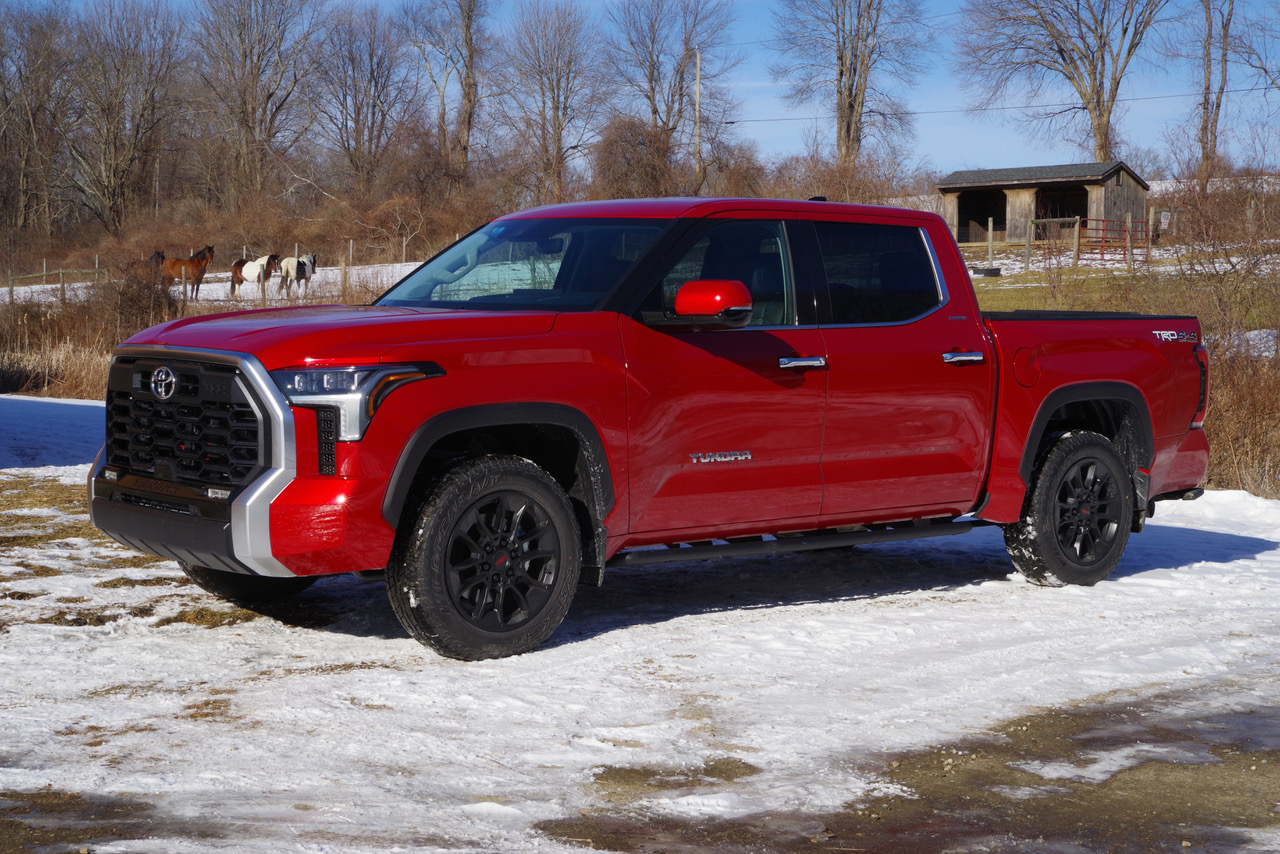
But as for the new Tundra itself, the new one has excellent specs for both urban truck dandies (like their ad where a stylish owner takes his truck to get cappuccino and impress his friends) and actual working pickups. Will it be as trouble free as its progenitor? Any reliability issues that could conceivably crop up with the new drivetrain(s) will likely be sorted and fixed; Toyota is really, really good at finding problems and correcting them quickly. I boldly predict they’ll even put some tow hooks on the 4WD models, as apparently it has put YouTubers into a conniption and the truck-as-an-apocalyptic-war-wagon set (who never will use their hooks) has demanded them be prominently displayed; red if possible. Toyota’s done what they had to do to satisfy the needs of global production unification as well as the bell-and-whistle nature of the current car market. Funny thing: I’ve heard, when I’ve been unfortunate enough to listen to questionable auto voices, these sages say, “Toyota needed to improve the Tundra to compete with Ford, GM and Ram.” The fact is, the Tundra has always done well, and they’ve sold ever one they’ve built. As mentioned above, they would have to build a couple of more plants to have a high enough volume to “compete” with Ford sales, and they clearly don’t see the need to at this time. The new version is loaded with all the techie goods that the previous was lacking, but time will tell what this does to the overall reliability or durability, especially the Twin-Turbo V6. In the past, turbocharged gas engines haven’t been known for their longevity, but Toyota knows this and if they stick to tradition this mill should be overbuilt, overcooled and designed for the long haul. Does this all add up to a better pickup; one that beats the other guys? Again, long term durability results for those that actually work these vehicles will be the ultimate answer. Until then, the “I wanna drive around in truck that’s tough, like me” set will find much to like about the new Tundra. It does handle well for a truck, goes about its business without complaint and is quiet and a pleasure to drive. That may well be what matters most.
Editor’s Note

Doesn’t Editor’s not sound official? Yeah, I thought so too. Anyway, as the sole operator of this mess I have been away for quite some time. I think there wasn’t a drone in the sky when I left. I am returning, quite soon. More shenanigans on the wheeled front. Stay tuned-

Of Hybrids and Ions

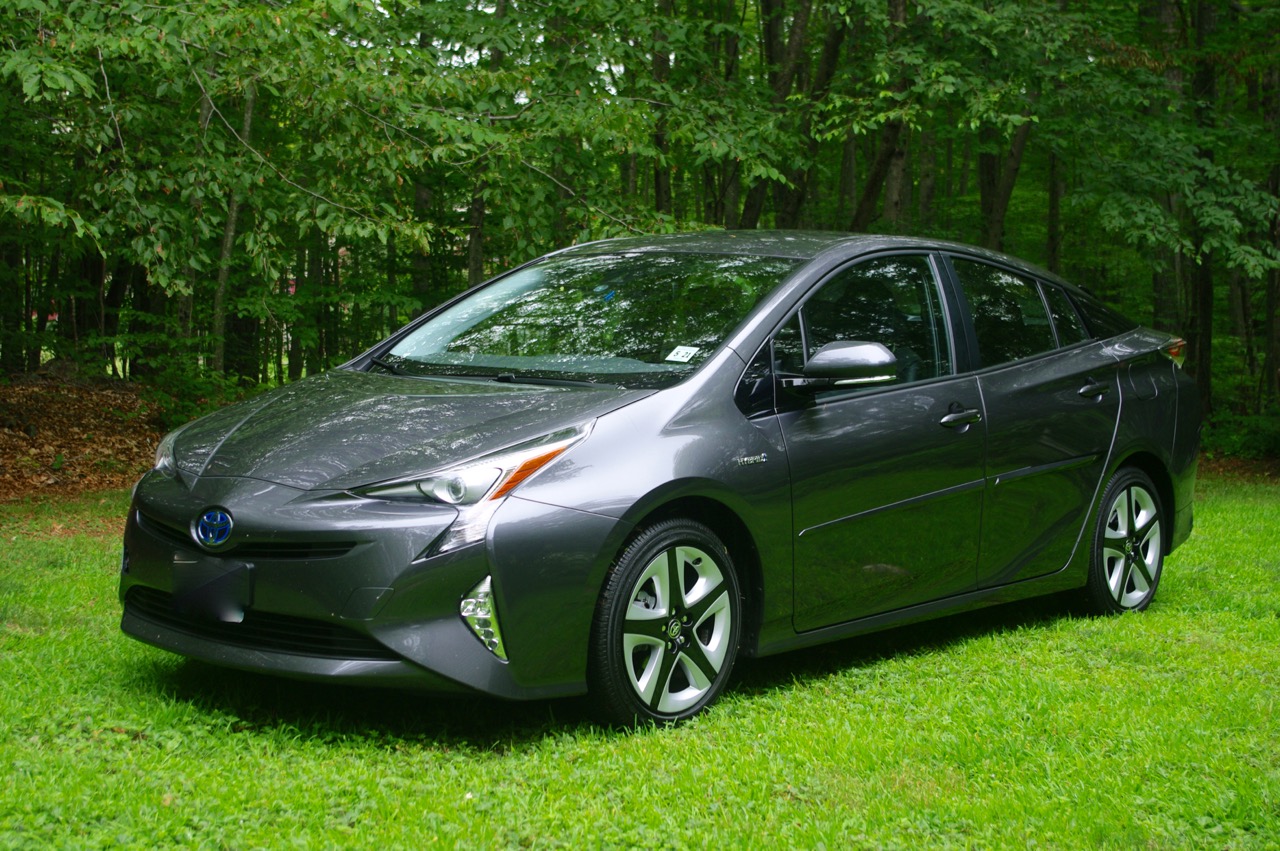
I was a writing up a review of the new Toyota Prius for a publication I write for (print only), which by the way was a pretty glowing test as they did some great things to this iconic Hybrid. They actually made the thing more like the 2004-2009 generation and thus changed some of the things I wasn’t wild about on the 2010-1015 version, and delivered better ride, handling, performance and even gas mileage. All in all an impressive accomplishment. I’ve actually got an older Prius somewhere, although the wife uses it so much I rarely see it. But I’ve always thought it was one of the most important cars in the last 50 years because it slashed fuel consumption yet demanded little in compromise from the owner. It beats the crap out of electric plug in autos in the this regard, and will continue to do so until fuel cell cars take over which will happen far sooner than the self-driving autos that so many seem to think are just around the corner.

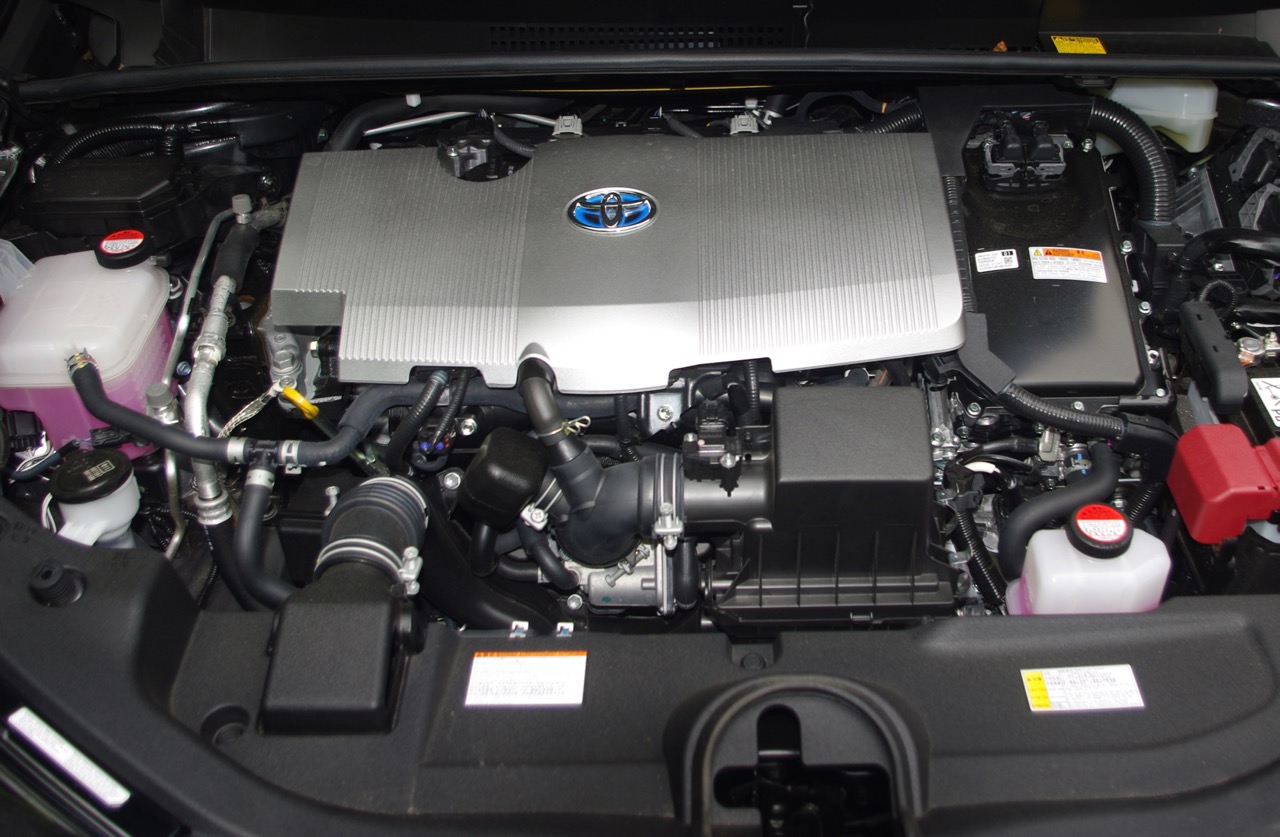
I decided to scribble something on this hideous space about this fine machine because there was an interesting thing that I was initially fooled by, and that’s my own fault. You see, I’ve noticed that all Toyota hybrids up to this point (except plug-in versions) have used nickel-metal-hydride batteries to power the electric motor(s) in the drivetrain. Other OEMs have gone with Lithium-ion batteries as they are more powerful and weigh less, thus are attractive. But, as you know if you’re reading this on any kind of portable electronic device, Lithiums do have their drawbacks, and (until recently) they lost a lot of power when the charging cycle count gets high. These days they’re better than they were, but I still think there are other reasons why Toyota didn’t dump the old batteries and embrace them. The Ni-MH units have been real tough hombres, and served the Prius and other Toyota Hybrids really well. I note that the new RAV4 Hybrid has them, and so do the Lexus Hybrids. But wait: the new Prius is part of this frugal family and yet there is a difference. When I first glanced at the spec sheet, I saw Ni-MH batteries were used so I assumed that was that. But it turns out that’s just on the base model. The other units get new Lithiums, and I was actually surprised when I saw this. I mean, I knew the plug-in version had them, but this is an interesting change. The one I tested had the new batteries, and it was very peppy and mega efficient (something one typically desires in these vehicles).

I consulted Toyota and they confirmed they had made the change but also pointed out the older battery technology was still used, largely because (and something I didn’t know) some countries won’t allow cars with Li-ion batteries to be sold. It’s a heat thing, I think, and they don’t trust the buggers. Interesting, no? Meanwhile, pretty much everybody else is using the oversized laptop cells and the Ni-MH are starting to vanish.

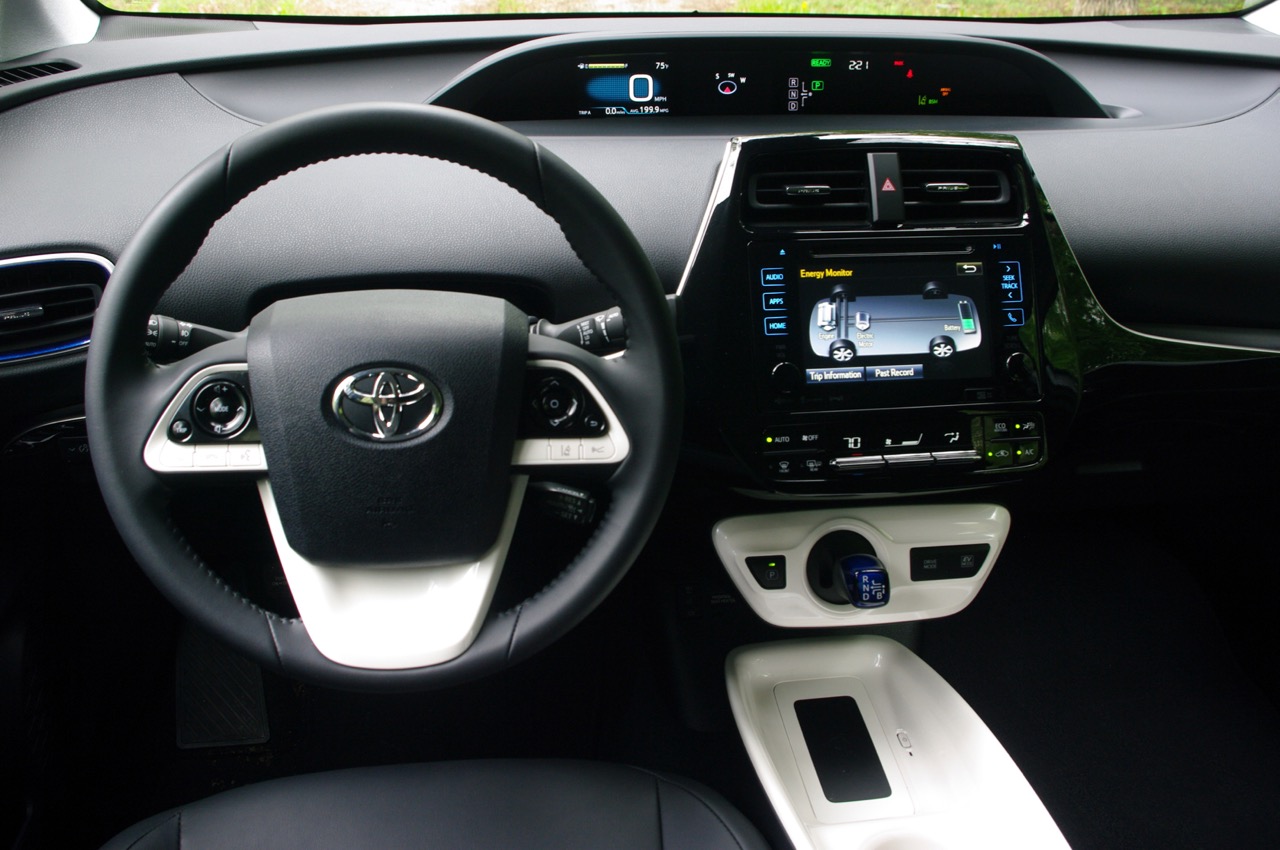
I prefer the old batteries, but I’m weird. I prefer mechanical analog watches for scuba diving, and use a dive computer sparingly if at all. Anytime I forget my smartphone at home I feel like I’ve done something desirable. There will be no Internet of Things in my house, as I hate introducing complexity and more avenues of failure into any device or system when the innovation has no real value. Apple has just yanked the headphone jack from their new iPhone, and called this ludicrous move “courageous.” Indeed. But, to be fair, I’m probably being silly about the Hybrid battery thing. We’ll see if the new Prius system has the longevity of the old cells, and there are no additional issues. The rest of the car is a fine improvement as it’s lighter, stiffer, more responsive and has a tick more engine/motor interface refinement (which was already pretty decent on the older Prius). It’s a good car made better. Oh, but they need to lose the plastic inserts in the console and around the steering wheel. You’ll notice them right away. I think they’ll be gone with the next upgrade. Hope so. They are a strange evil in an otherwise decent interior.

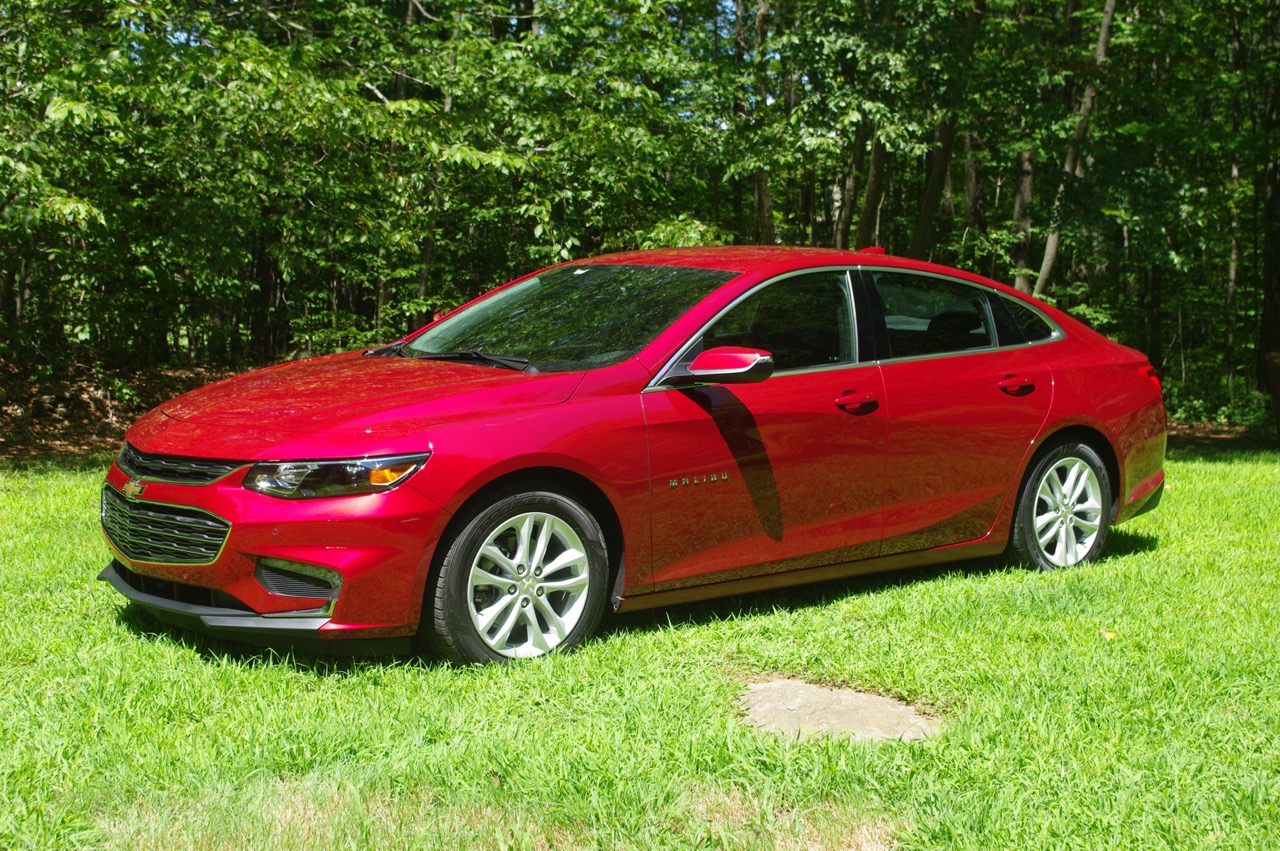
Speaking of Hybrids getting better, I have to mention another car that was a big surprise and a really huge improvement over its predecessor: the Chevy Malibu Hybrid. It’s a chalk and cheese improvement over the old Hybrid, and you can thank the Volt for a lot of it. The car finally feels like a solidly engineered whole, rather than a cobbled together Hybrid version of another car. Engine/e-motor transitions are splendid, the car moves out well and is a pleasure to drive, and fuel economy is quite competitive. I was very impressed with the unit, and I tip my hat to all involved that turned the boat around so effectively. Oh, and the battery pack? Li-ion, of course. GM has a lot of experience with these rascals, so more power to them. I think. We’ll see if the new Honda Accord Hybrid is likewise improved, as the last version was less than stellar. I’ll have one to explore very soon. I reckon it will have Li-Ions too, like everybody else. Pity. I do likes me Nickels.

As I said, though, I’m weird. It will all be moot some anyway. Fuel Cells, baby. That’s the future. You’ll see.

The Retro Gumdrop

Ah the great weirdness of the automobile. While many compare modern cars and come to the conclusion that they have become copies of each other (and therefore postulate that true variety and style are dead), I beg to differ in that there are some wonderfully odd ducks out there. The car I’m writing about in this posting is one such example, and I was flabbergasted (and even surprised) that it got noticed everywhere I drove it thanks to its plentiful lack of sameness. This machine is the antithesis of the muscle car, or muscular SUV, or the number one selling vehicle in these United States: the pickup truck. It’s more of an oversized gumdrop, and despite its dimensional similarity to the Mini Cooper it has its own very distinct personality. The Fiat 500 is a true Italian urban ride in that it’s tiny size makes it perfect for negotiating very tight roads, darting through traffic that is in a constant state of chaos and parking in very tiny patches of real estate. Now that Fiat has not only returned to the US market but owns Chrysler, the domestic version of the 500 has been seen popping up here and there and there are now multiple versions to go along with the 2-door coupe including a 4-door and, naturally, since this is a country obsessed with them, a crossover SUV.

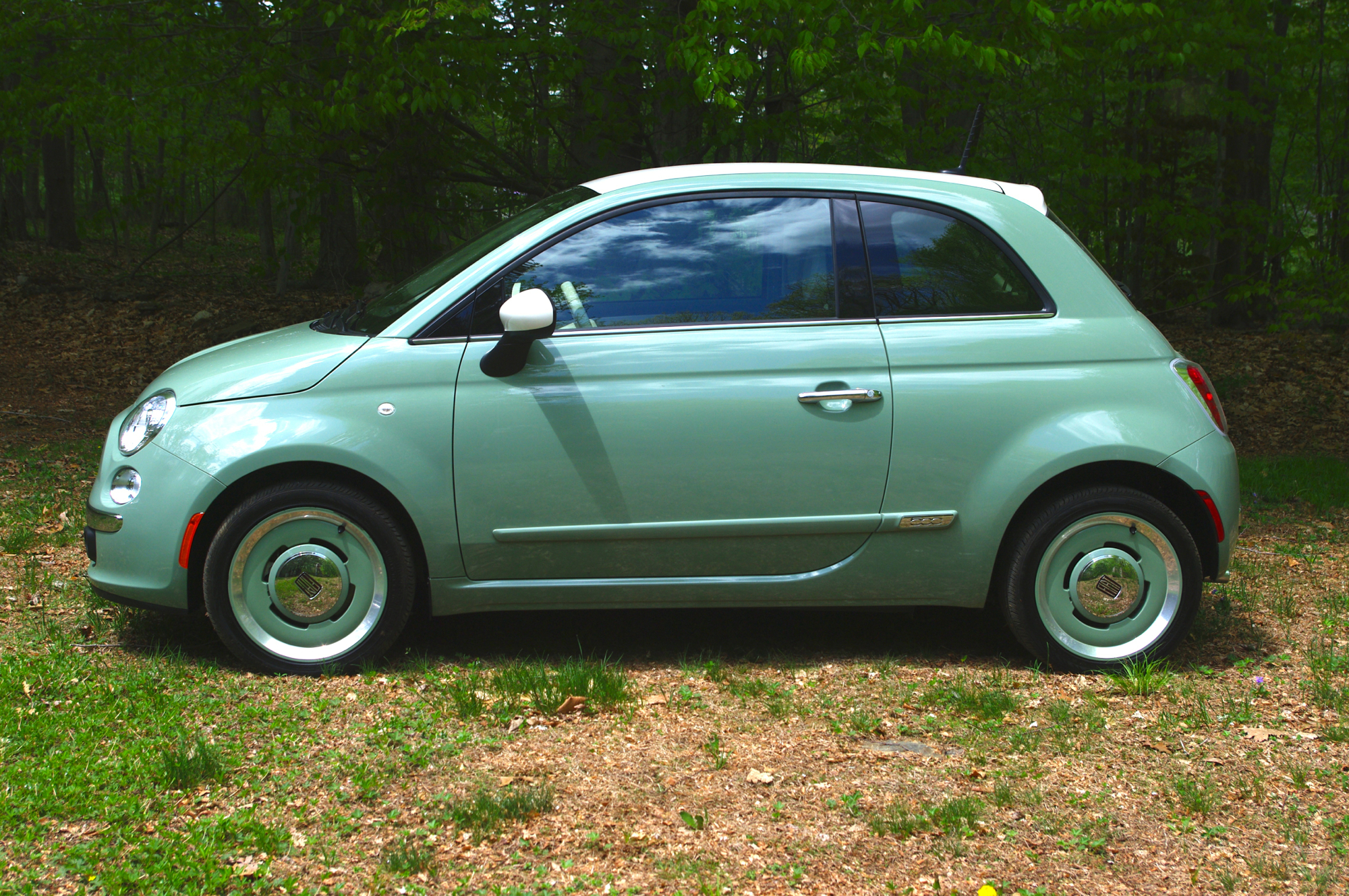
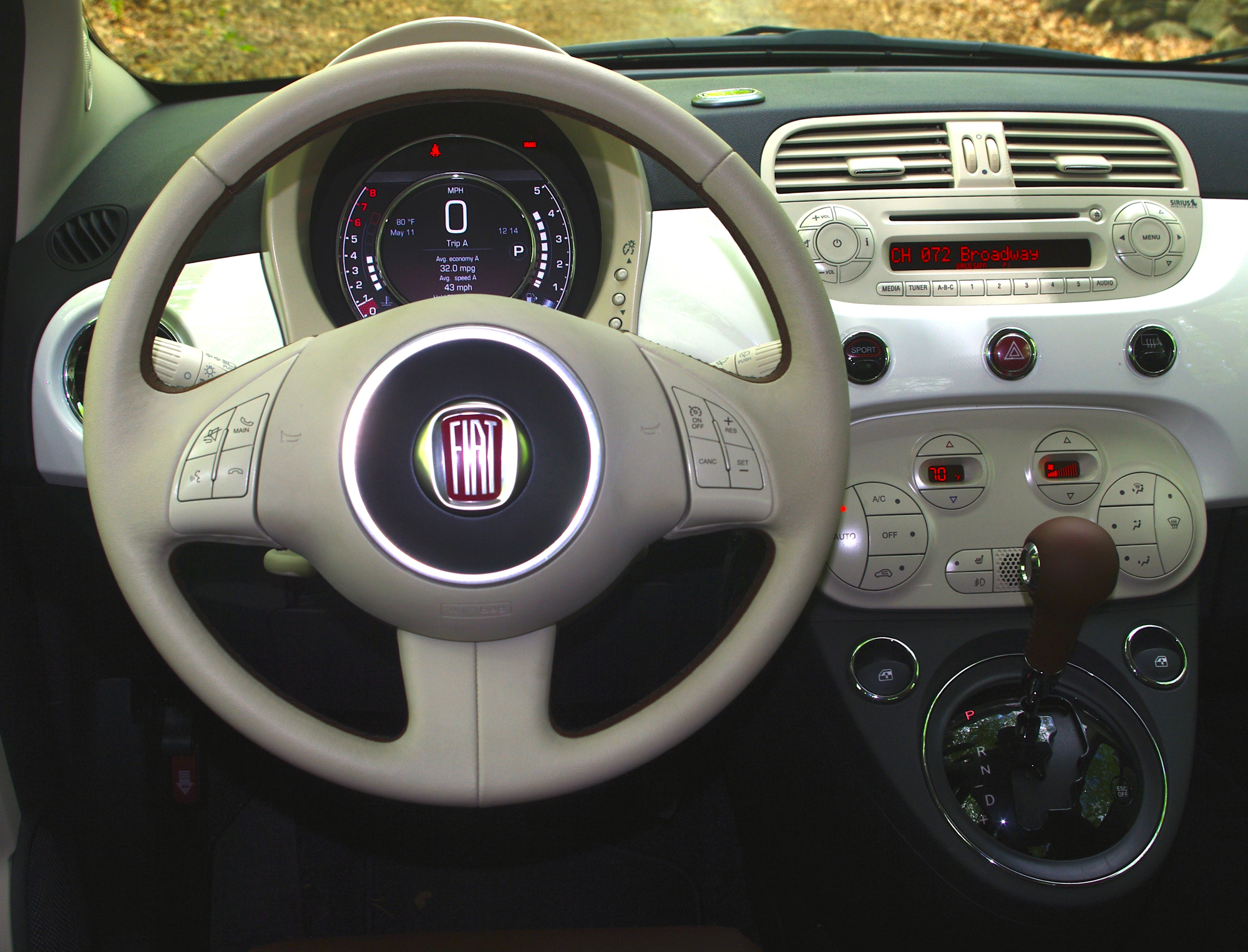
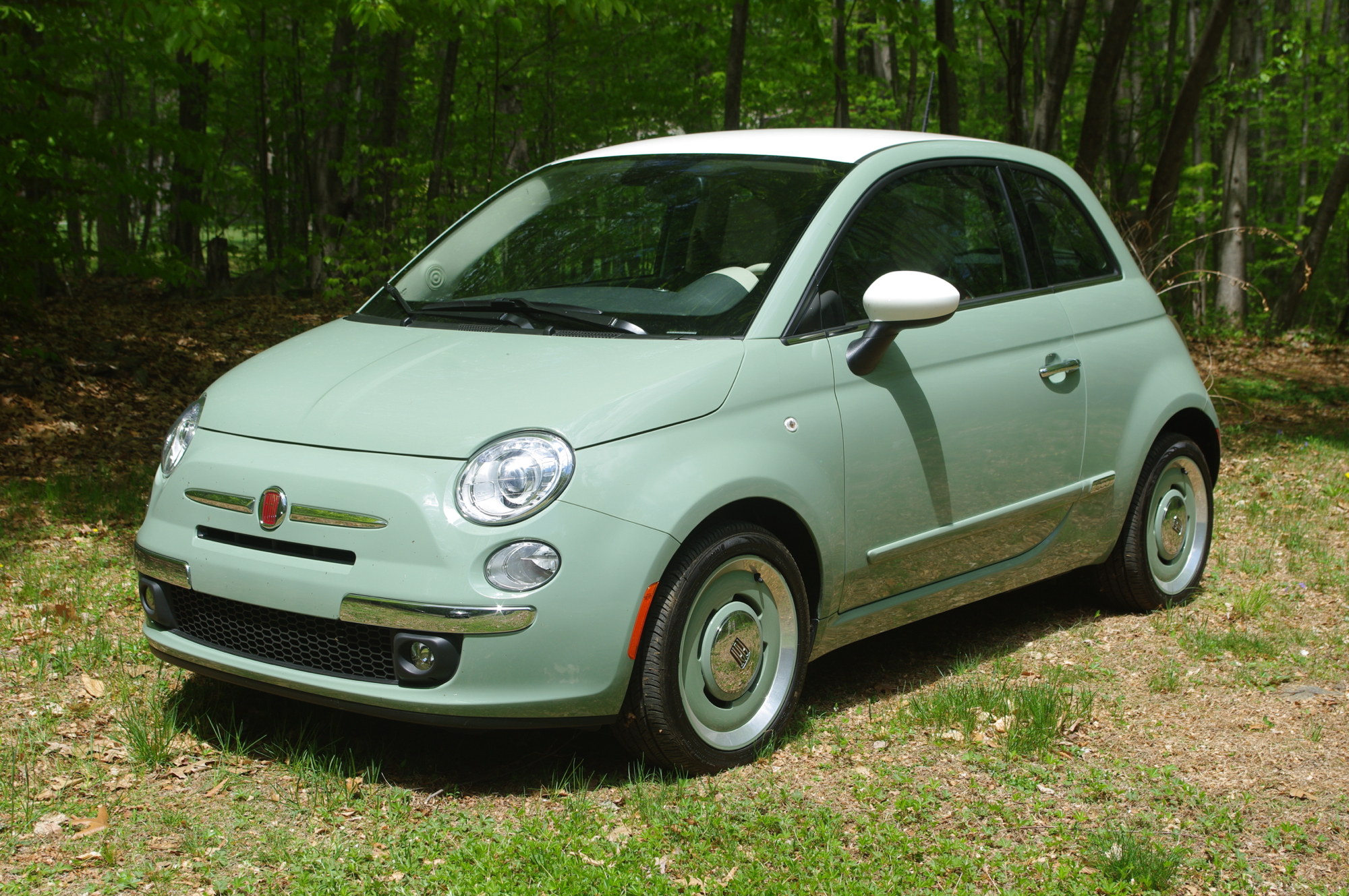
But it’s this coupe that is the most iconic in my view, especially if you check out the 1957 version. There’s a lot of retro about in the modern car market, but most of it is kind of crapastic in my view. These candidates try too hard to be nostalgic and cool and they fail by missing the point. In other words, the stylistic cues are ones that focus more on details that don’t really capture the mood of a look that’s over a half century old. The Fiat 500 1957 is different. From the doggie-dish hubcaps to the color choices to the amazing interior that so cleverly mixes old style with new tech, this is a very stylish little beast. I like the Mini Cooper and its go-kart handling and all, but for whatever reason I prefer the Fiat 500 overall as it’s just more fun. It rides better too, and just has a quirkish charm that the Mini just doesn’t have. Performance is nothing to write home about (especially when saddled with the automatic gearbox, although it’s not as bad as you might think), but it does get job done and it has the one-two punch of tiny size and good fuel economy that make it a great choice for the city life. If you hate being noticed, steer clear of the 1957 model, though. It really catches the eye of the punters, but in a good way.
F150: The Rise of Al-You-Minnie. . . Um

So here’s a good bit of aggressive counter-marketing, courtesy of the General Motors Corporation. Yes, this is a story about the new Ford F150, but bear with me for a minute.

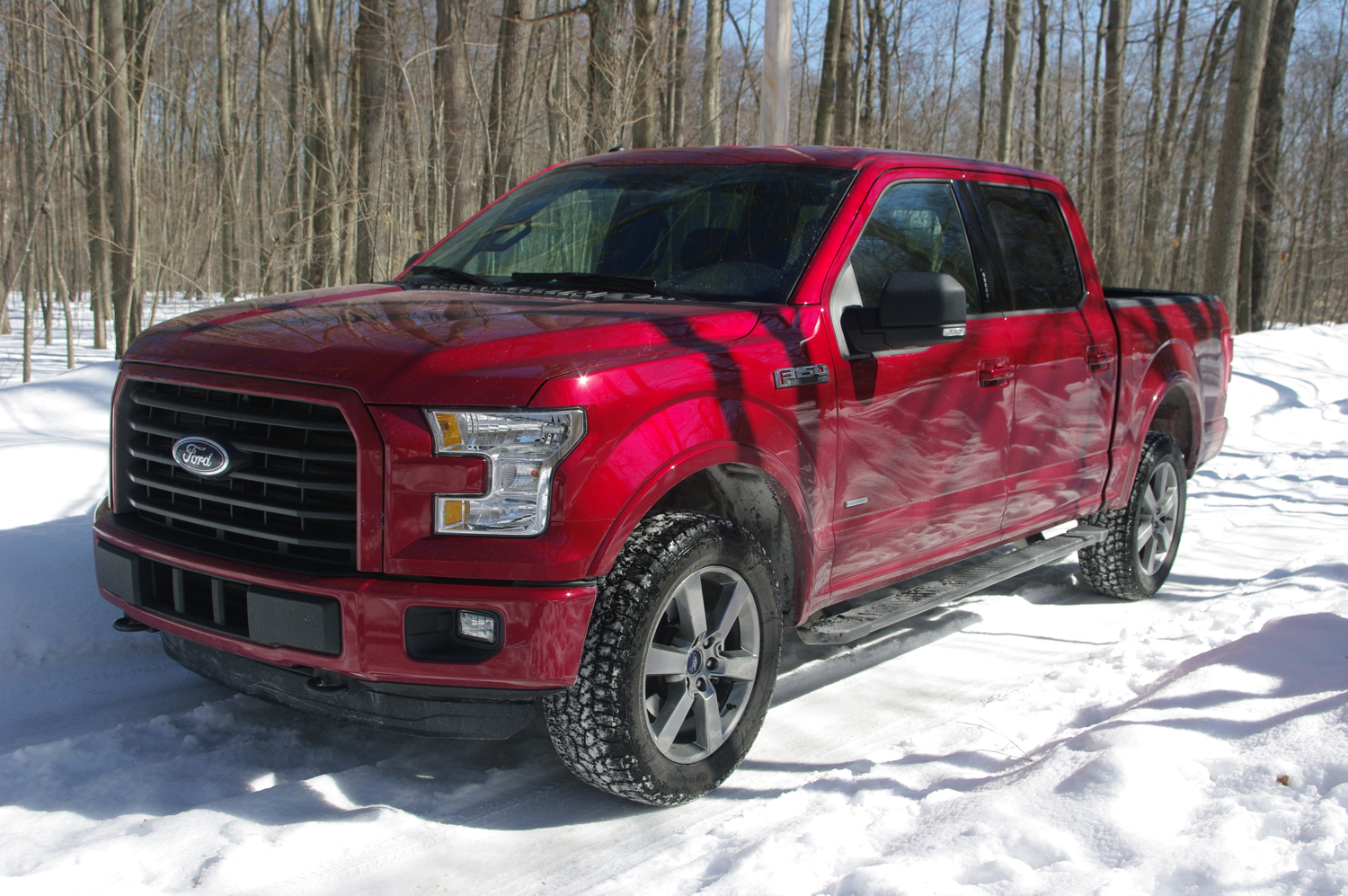
If you’ve been paying attention, any attention at all, to the new 2015 Ford F150 pickup’s big bold changes, you know they have dived seriously into the pool of alternate materials to lower weight and raise the fuel economy of their best-selling vehicle. In this case, the new material means extensive use of aluminum in the body (including the pickup bed itself) which slashes the curb weight up to 700 lbs. They have been going on about this dramatic advancement for at least a year prior to the truck actually being available, and it has caused a bit of a stir among those interested in pickups (which are the largest share of vehicle buyers in the US). If I had to evaluate Ford’s pre-launch promotional strategy I’d have to say they did a good job, as there was certainly a lot of interest in the truck. Ford claimed not only better fuel economy but better performance, cargo capacity and towing ability not to mention superior rust resistance (very welcome in parts of the country like the Northeast, where insane amounts of salt are dumped on the roads during the winter).

So what did GM do? In a recent TV ad I observed they mentioned the Silverado’s “all steel” construction, or something to that effect. The bottom line was were clearly implying their product was better than that new aluminum thing from the other guys. I was quite surprised by this, as I thought it was just another way of pointing out how the Ford engineers were being pretty ambitious and trying something daring to make their trucks better. So the question is, is Ford’s move to Al-You-Minnie-Um the way of the future? Did this expensive gamble succeed, or is the F150 now a TV dinner tray with wheels? First, a couple of things about why using aluminum on this scale is no small task. The alloy is costly to produce and fabricate, but even more challenging is the fact that it takes a lot of engineering time and effort to replace steel pieces with aluminum so they do everything that is asked of it. Here’s a bit if inside pool I learned back in 2013: I was at the Range Rover Sport intro (scroll down, it’s easy to find thanks to my lack of fresh postings), where we got to hang out with some of the Land Rover engineers who made this highly advanced luxury SUV into a mink beast. It has a generous amount of aluminum construction, and one engineer told me the aluminum battle was made winnable thanks to the fact that the Jaguar engineers we pretty much across the hall from his group, and provided tremendous help (Jaguar has been a leader in modern aluminum car construction for decades). And who owned both these companies a few years ago, when a lot of the primary engineering was going on? Ford, of course. Intrigue! Jaguar and Land Rover are now the property of Tata Motors of India, but Ford gained heaps of aluminum engineering experience (and other things) while they owned these British icons. I can’t help but think it has helped tremendously with the creation of the new F150’s aluminum apparel. There’s still a boxed steel frame and lots of high-strength steel used on the truck, but the body panels and bed, and other bits and pieces are made of aluminum.
The test F150 SuperCrew 4X4 I sampled had the 3.5-liter EcoBoost turbo V6 under the bonnet, which generates 365 horsepower and 420 lbs.-ft. of torque. The engine feels strong, with no dramatic spikes in power that turbos used to have but rather a flat, tractable power curve. It feels much like a V8, but is designed to use much less fuel. That said, I’ve yet to drive an EcoBoost that was dramatically more frugal than V8 counterparts; with this truck I averaged 17 MPG. Thanks to the muscle and lesser mass, acceleration is brisk and the big question I always have with these new engines is long term durability. Turbos have far more parts and require a lot more integrity out of the “host” engine than regularly aspirated engines, and there’s a lot more that can go wrong compared to non-turbo mills. I know, long haul truckers will laugh and mention that turbo diesels last for billions of miles, but the fact is a diesel is much more fortified to begin with thanks to its high-compression nature. I’m sure Ford has reinforced and tested the bejeesus out of their EcoBoost truck engines to make sure they’re going to last, but I could see why potential owners might be a tad wary. The engine does carry a $1995 price premium according to our sticker, and there’s still an ol’ 5-liter V8 with more horsepower that’s also offered on the truck.

Anyhow, the truck drives on a par with the competition, and the 6-speed automatic is a good fit with this engine. The lighter weight doesn’t in any way interfere with the truck’s feeling of solidarity, as the aluminum bed feels quite stout and capable of taking some punishment. Where things get weird is ride quality and winter traction, as the unloaded truck did have some traction issues in snow and the ride quality was a tad on the firm side, which became quite busy on rough pavement. Maybe the tuning is deliberate, as the truck may be lighter but it still feels quite substantial. A lot of buyers like such a personality, and it helps gives the truck the rugged image that so many want in their hefty hoopy. On particularly nasty frost heaves, the truck bounced around like pretty much every other full-size does, so the big advancements with this truck don’t extend to ride quality. Another thing that surprised me on this $52,000 truck was a non-counterbalanced tailgate, which if you’re used to one of these modern marvels like I am it makes the Ford’s feel a bit heavy. It did have the optional tailgate step, which is clever but ever since Ford introduced it a few years ago I’ve always wondered how a Mega Bubba would negotiate the thing without falling off and leaving a massive crater somewhere. Regardless, I think there is a lot of other optional kit that is quite useful, like a remote tailgate lock/release, on-board loading ramps, LED bed lighting and tons of other goodies. The XLT interior is well-designed and comfortable, including the SuperCrew’s rear seats that don’t offer as much room as the Tundra CrewMax or Ram Crew Cabs but there’s still plenty of space. Incidentally, the SuperCrew is the only way you can get four regular doors on a F150. Unlike Ram, GM and Toyota you can’t get an extended cab with front-hinged doors; you’re stuck with having to open the front door to open the rear-hinged hatches.

As for all the techy goods, yes, the F150 is loaded with all the latest electronic interface systems that so many people want as they’re just not distracted enough. At least the company is starting to roll back some touch screen stuff and reintroduce knobs in places where they are still the best way to do things. All the latest Stability and Trailer Sway mitigation black-box voodoo is of course on board, which is the best expression of modern technology on such vehicles anyway. Interestingly, the 4WD system has just 2Hi/4Hi /4low settings with no Automatic mode; you have to go to a higher trim level than our XLT to get that. So all in all, the new F150 is a bold move. Aluminum is more expensive to fabricate than steel, but it does have its attributes. As for the question of more expensive body repairs in the event of damage, this will likely be no big deal in the long run. Incidentally, Edmonds did one of the most ludicrous “tests” in recent memory when they took a sledge hammer to a new F150 and then saw what it would cost to get it fixed. It was about as unscientific as you can imagine and proved basically nothing. It did get a lot of page views I reckon, which is why they did it. Suffice it to say, your deductible will likely be all you’ll pay anyway and whether the overall insurance rate will change will take time to determine.

The Combination of EcoBoost engines and weight reduction looks great on paper, but whether this is the way to go for a work truck you need to last a decade or two is a tough call. I didn’t find all that much difference compared with the offerings of the other guys (I’ve reviewed all the latest from, GM, Ram and Toyota) who are arguably using older, but proven, technology. These things, like all current pickups, are getting really expensive but then they have a huge profit margin for the OEMs and folks seem to love them, especially while gas is cheap. The new F150 I’ll wager is the most expensive of the bunch to build, and I know Ford will work hard to keep the price competitive even if it means trimming their per-unit profit margin. The next few years will determine not only if the public adopts these new approaches, and but whether the competition starts to copy it. The company is certainly not resting on their laurels, or anybody else’s, and time will tell if these changes were worth the considerable effort and expense that produced them.

Stings A Bit, Does It?

There’s always a conundrum when it comes to an automotive icon that’s been in existence for a long time. No matter what we’re talking about, whether it’s toasters, cars or Rolex watches, there will be one school of thought that says the latest iteration is vastly better than its predecessors, while another camp will state the older versions were awesome and the newbie is utter shite. Where you come down on this evaluation is obviously dependent on many things, not least is just personal taste. And while there are certainly objective and empirical criteria you can use, especially in the case of sports cars where performance can be carefully measured, there is still the whole personal taste thing. When it comes to an icon like the Chevy Corvette, what you have is a very polarizing beast as the following for the older editions is a passionate one and with each new version you typically get a substantial amount of bitching. It’s good sport to point out that new model is a shadow of its former self, or at least it seems that way for a lot of enthusiasts.

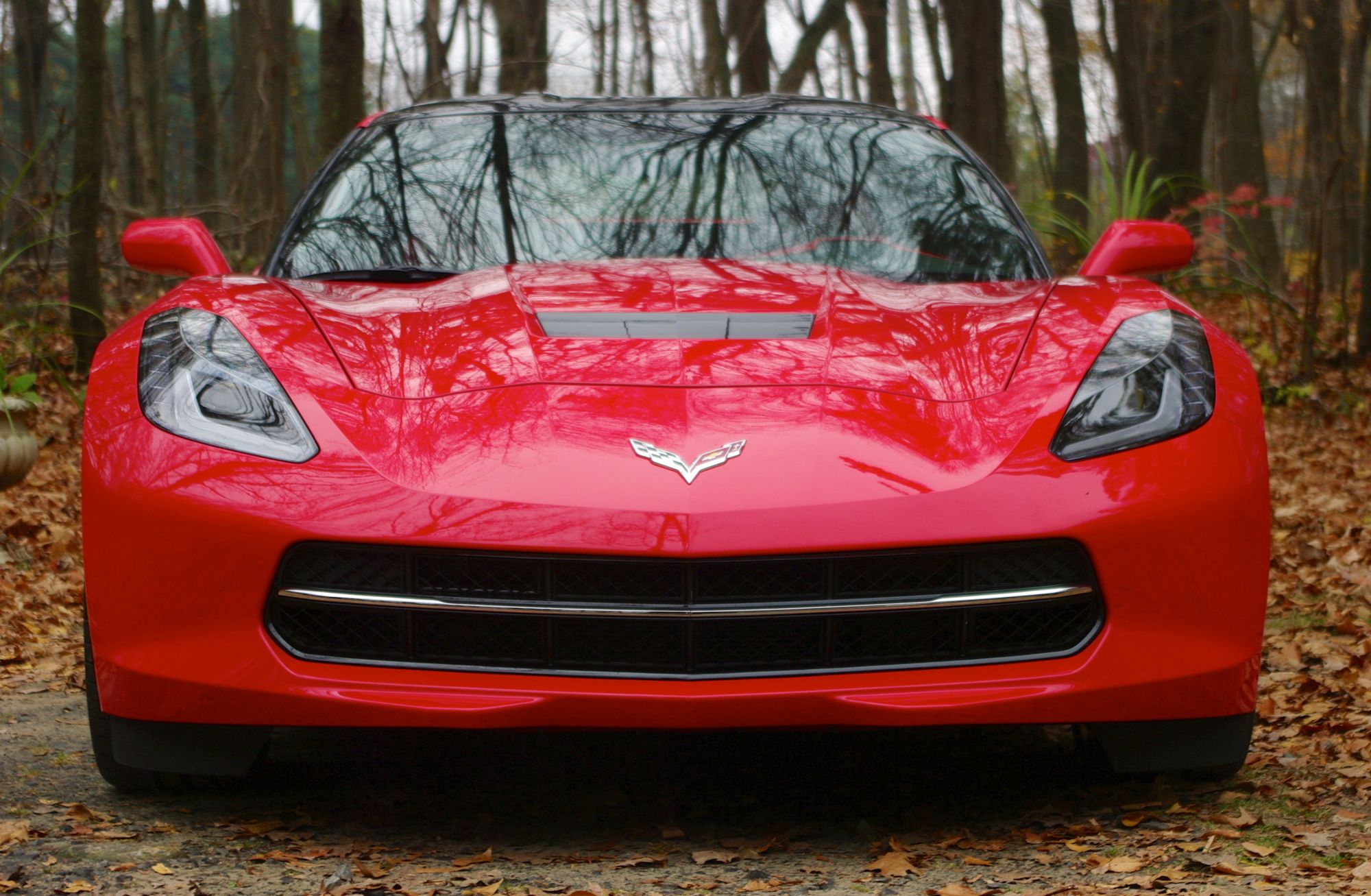
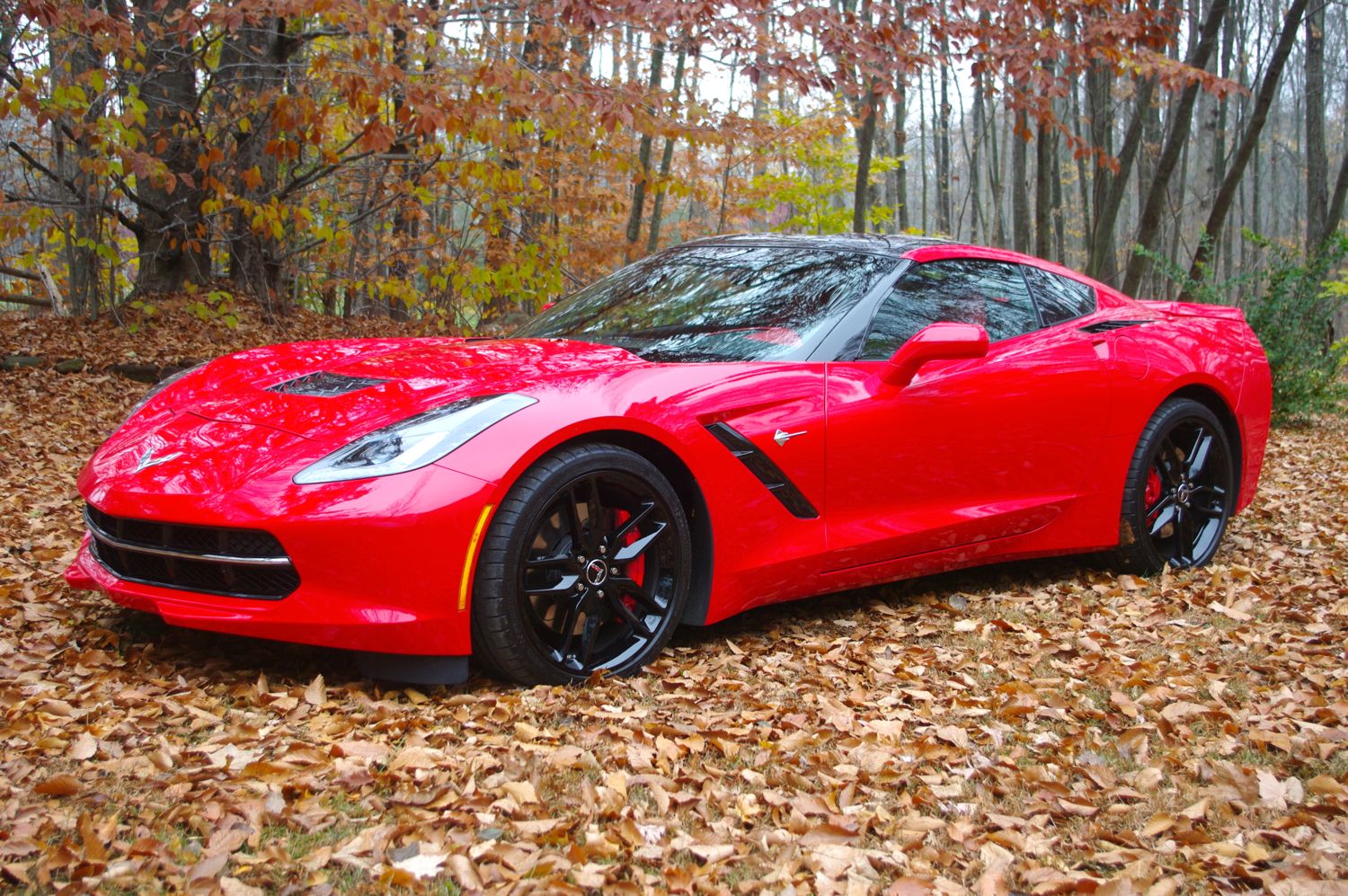
This time around, though, things seem a little different. Not that I’ve been conducting any research whatsoever into the opinions of others about the 2014 Corvette Stingray, you understand. I have just been absorbing some of the odd comments in car circles, and when you drive a flaming red example around for a week you get more unsolicited opinions than you can imagine. Nothing I’ve reviewed in recent memory has received more attention than this new version of America’s most famous sports coupe. The reaction seemed quite positive, which like I said is not always the case when a new version of the Vette surfaces. It has done a splendid job of blending some of the older styling elements (and even some traditional chassis touches like the use of composite transverse leaf springs) with some serious state-of-the-art materials to blend the traditional and the exotic in a very compelling way. It the kind of chassis where it appears the engineers and designers had much more of a budget to work with, so they could use the kind of trick solutions they really wanted to. In addition to the hard parts, the car is chock full of the latest in electronics including a slew of drive modes (Eco, Weather, Touring, Sport, Track and HoochRunner. OK, I made that last one up) that control a dozen different parameters of the car’s performance. Like putting sneakers on a dragon, there’s not much difference in overall performance with the various settings that I observed, anyway.

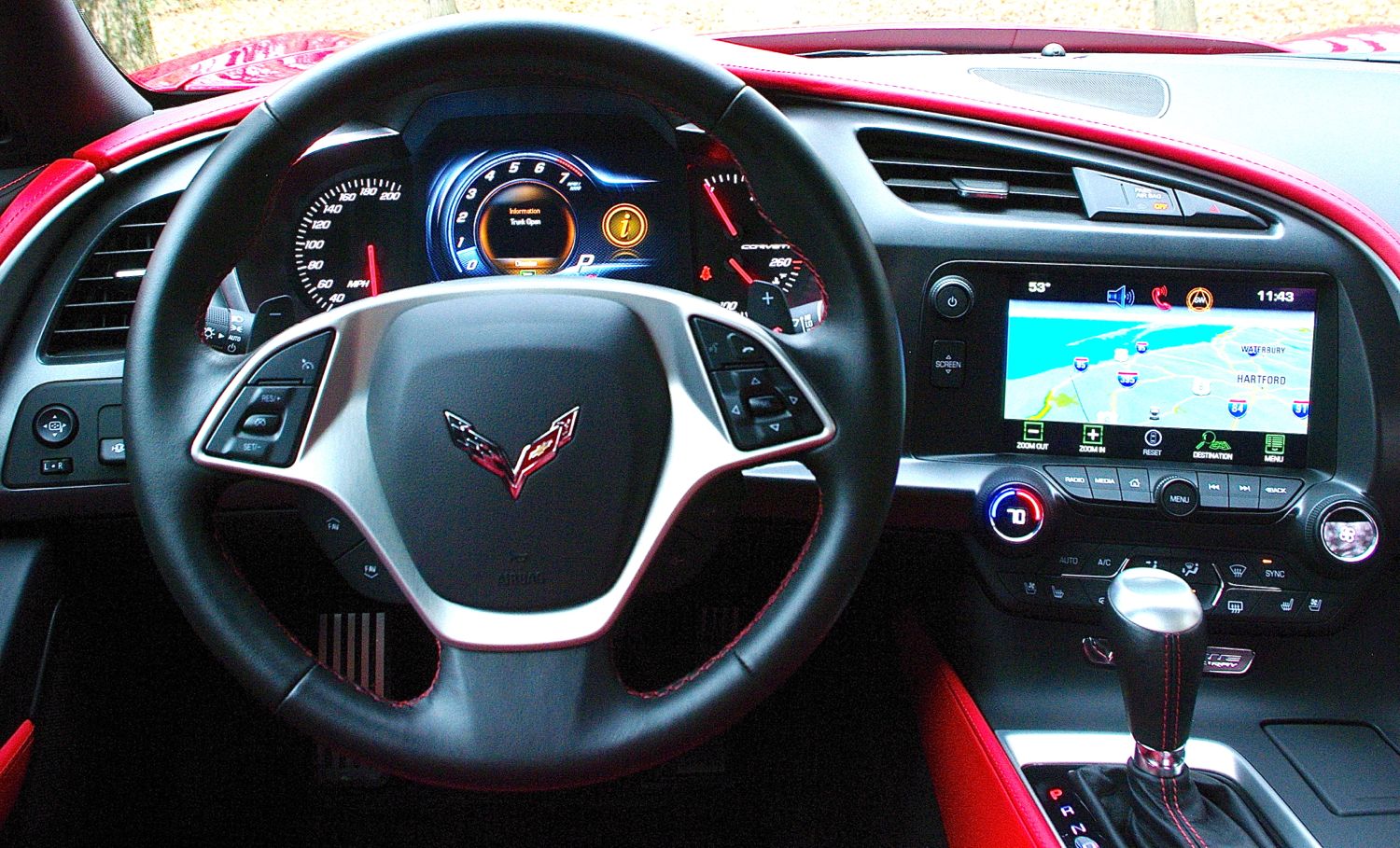
But this is fine, because unlike the stealth fighter which would be quite unstable without the computer systems it depended on to constantly tweak things so it would stay in the air, the Stingray is a really solid sporting platform that doesn’t need all the computer aides to rock and roll (although they can certainly help especially if you get a bit overzealous). The near-perfect balance of the car, along with that massive engine combine to make this stylish eye-magnet such a blast to drive. The sport seats cradle you comfortably, and the adaptable flat-screen instruments make the world that’s flying by in a blur make at least a bit of sense. It’s a surprisingly forgiving car in many ways, allowing you to safely enjoy it’s absurdly deep performance envelope. We were saddled with the 6-Speed Paddle-Shift Automatic gearbox, and it was still great fun (although you still should go with the manual). The Z51 Performance Package which is loaded with good things like upgraded suspension rates, heavy-duty cooling, an electronic limited-slip rear end and other tricks takes the standard version a step further. Like all Corvettes of the recent past there’s a lot of exotica in the car’s construction yet it is surprisingly subtle in how it goes about its business.

Or at least, it is from low-key the operator’s point of view. As for the outside world, people are drawn to this car like a cat to a cricket. This is a testament to the styling and execution of the form, but what’s even more laudable is the hard parts live up to the ultra-light bodywork’s promise of high performance. The new Stingray really does seem to be one of the best Corvettes to come down the road in a long while, and that’s welcome news indeed.

This Lightweight is no Lightweight

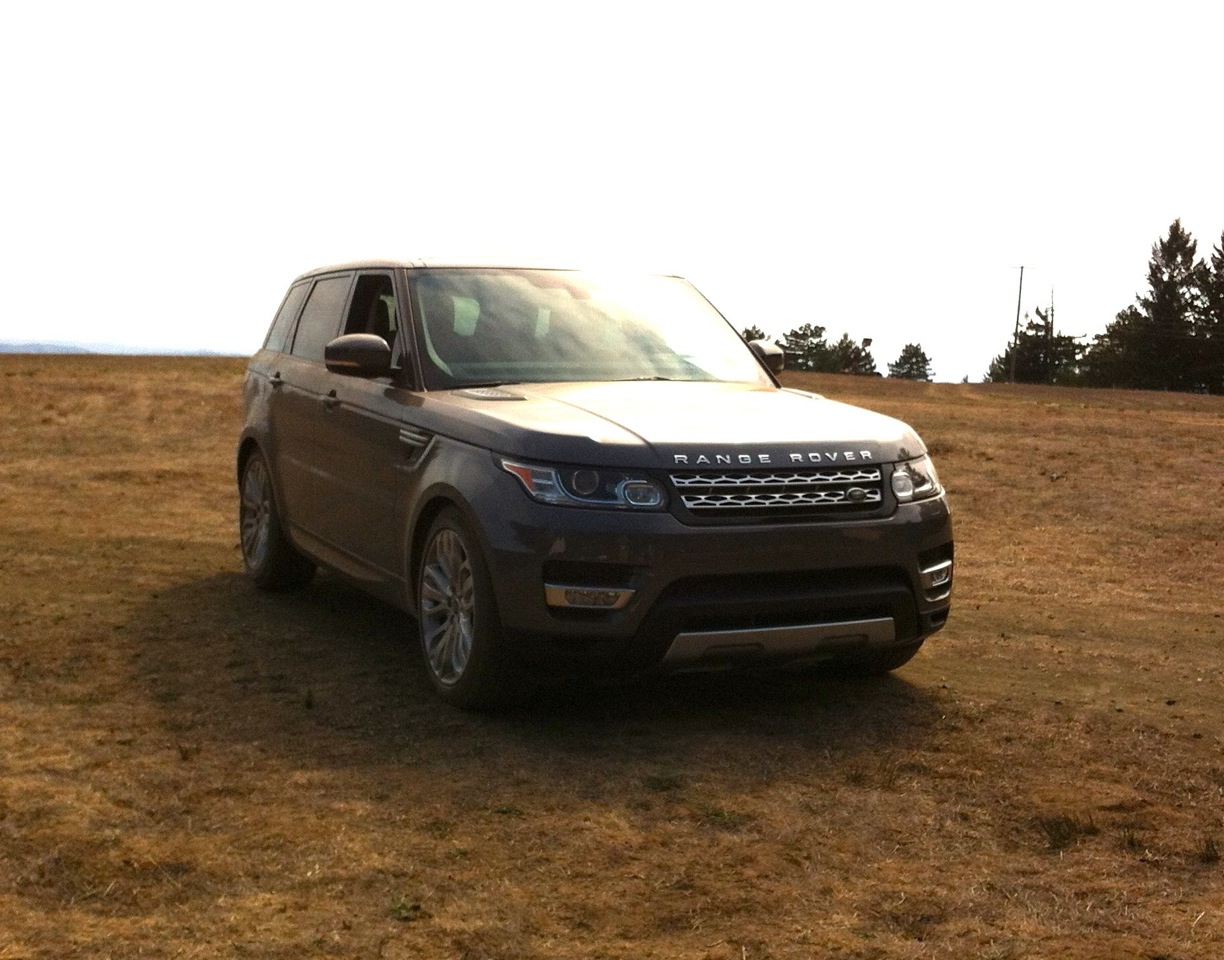
His name was Jonathan. He was British by heritage but currently resides in Vermont when he’s not working as a Teamster in the motion picture business. He was my off-road driving coach, provided by the Land Rover team that was conducting the launch of the all-new Range Rover Sport in and about the heart of California’s Silicon Valley. In addition to being a very nice fellow, he is quite good at his job as he’s worked all over the world training all kinds of people how to get from Point A to Point B when they work for the likes of Doctors Without Borders and other life-saving NGOs. This often means going where roads are laughable (often referred to as “roads”), and successfully negotiating really nasty terrain to get to where help is needed can be as critical to the life-saving business as the work itself.

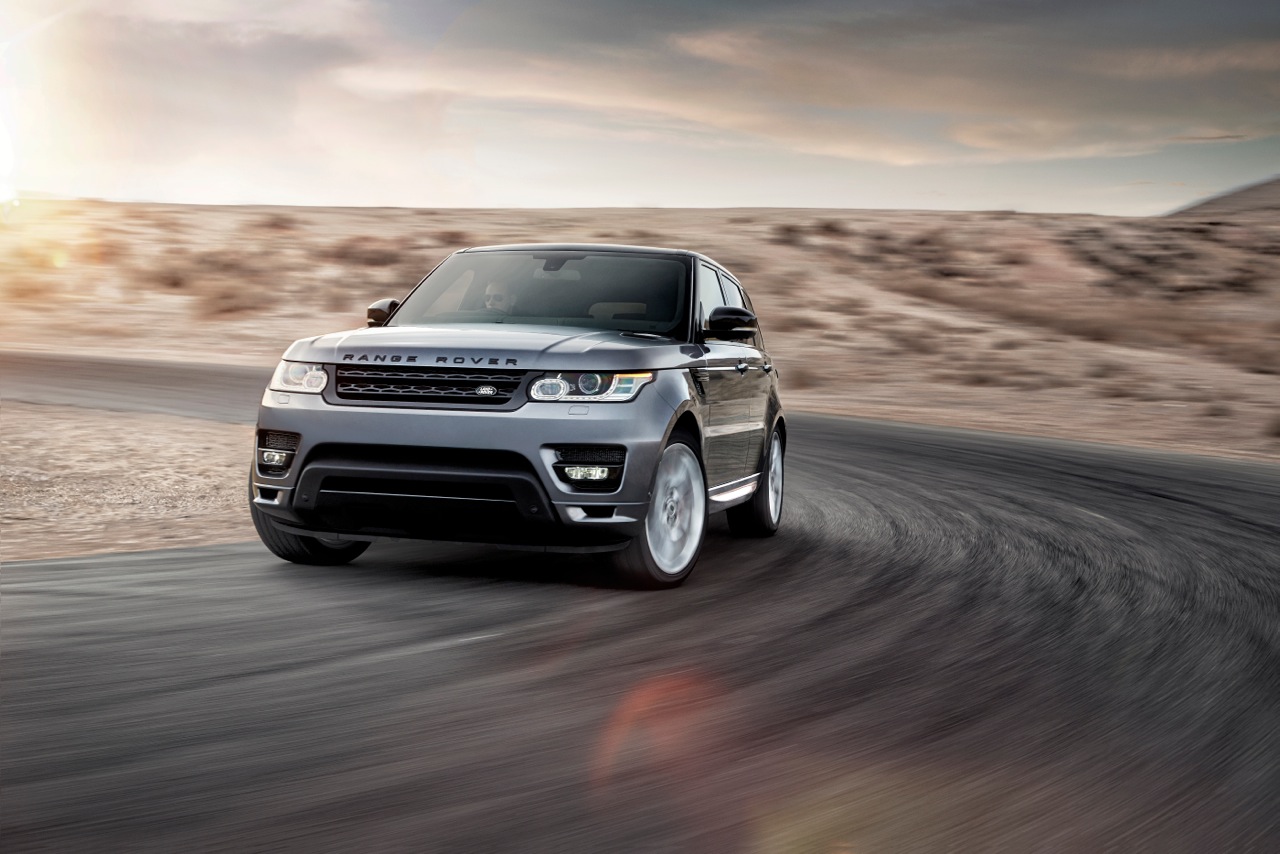
What really impressed me about this whole exercise was not just Jonathan’s excellent tutelage but the vehicle we were operating, for this luxurious, erudite SUV was doing the lion’s share of terrain management with its dizzying assortment of computerized driving aides. This same machine had earlier in the day been a first-class tarmac tamer, displaying tight, taut suspension control (helped by some black-box goodness that calls itself Dynamic Response) and a glorious Supercharged V8 that powered us from apex to apex like its Jaguar siblings. But thanks to an air suspension that delivers a surprising amount of additional ground clearance when the proper mode is selected (and squats low to aid ingress), the vehicle negotiated some very nasty hills and moguls with complete ease. It’s really become so amazingly automated that you have to learn a new type of off-road driving technique that lets you exploit all the silicon brains to handle traction, output and braking while you concentrate on steering around obstacles (like awe-inspiring 1,000-year-old redwoods). The magic is called Terrain Response 2, and Range Rover states that “the new system is able to switch completely automatically between the five settings: General, Grass/Gravel/Snow, Mud/Ruts, Sand and Rock Crawl.” On trails that looked like they’d be a chore to even walk on, the Rover Sport clawed up, over and through, without a creak or moan out of the unibody chassis. The chassis rigidity is important, and not just because it’s required on a vehicle capable of true off-road work. You see, I was under the false impression that the previous iteration of big Range Rover Sport had already ditched the body-on-frame construction for a unitized design.

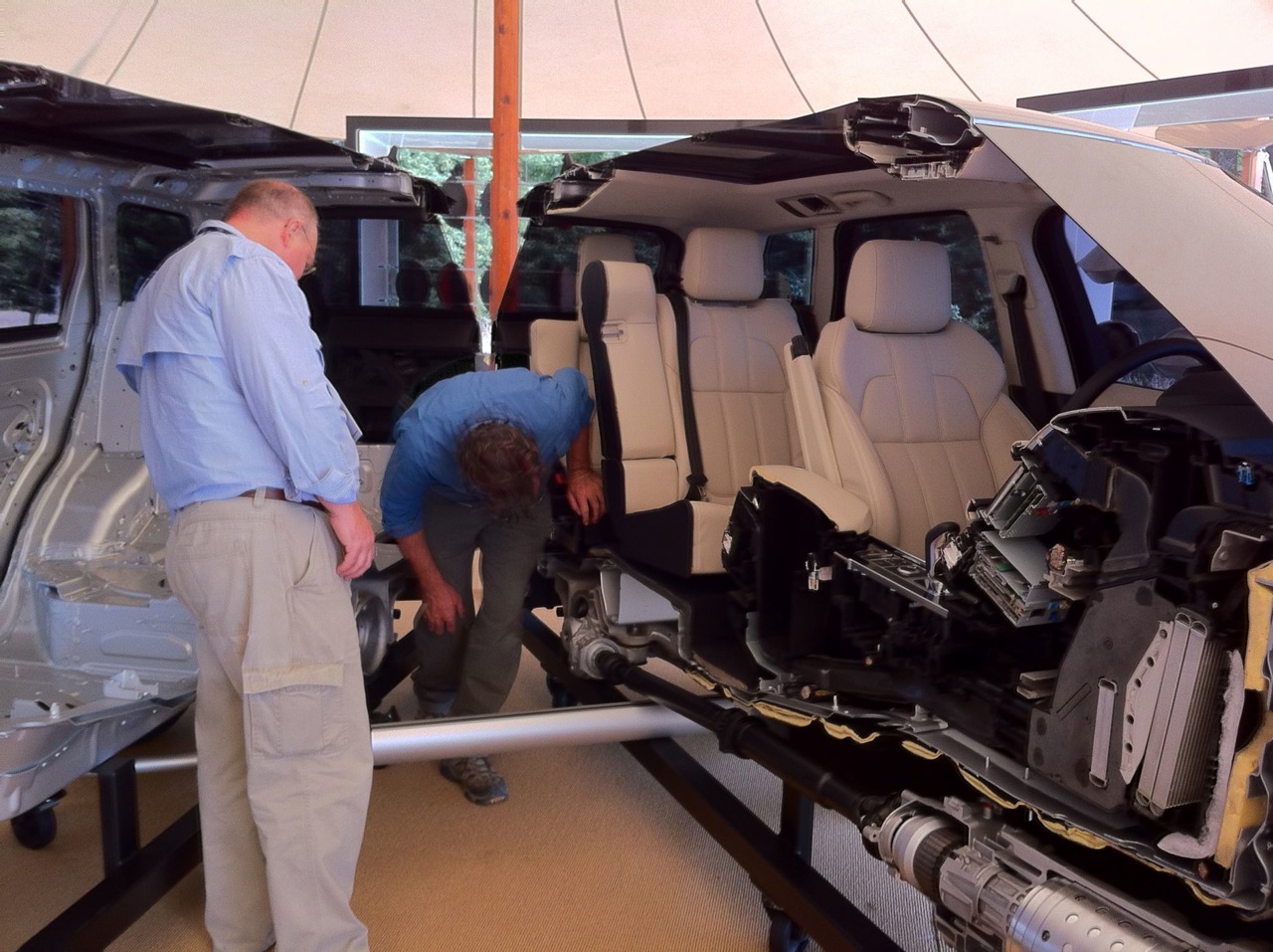
But as I learned, this was not the case. What was used previously was sort of a “hybrid” construction that melded elements of a stout ladder frame with unitized body structure. The new-from-the-ground-up design is an amazingly stiff, stout aluminum structure, bonded with an adhesive that works down to the molecular level and then gets the living crap riveted out of it for good measure. It’s not only stiff enough to cope with rocks and moguls; it should make the Range Rover Sport a very safe place to be in a collision. An engineer told me that Jaguar designers helped with the chassis, thanks to their extensive experience working with aluminum to shape body structures and build very stout chassis elements. They had a Sport that was sliced perfectly in half so we could see the inner design, and it was a very fascinating display to poke around and study. Ultimately, the new Sport is 800 lbs. lighter than its predecessor which is nothing short of amazing.

As this is a driving impression based on a press launch, I won’t go into more detail until I have one to test for a week. But overall, the Sport was a very, very interesting vehicle. Here’s an observation I noticed that I can pass on, regarding engine choices. There is a Supercharged 3-liter V6 with 340 horsepower along with a Supercharged 5-liter V8 with 510 horsepower available, and both of these engines are mated to an 8-Speed automatic transmission. We got to drive both on the serpentine roads around Silicon Valley and here’s an oddity: I actually liked the V6 on the road more than the V8, despite the bigger mill’s additional power. The V6 version is about 300 lbs. lighter, which may have explained while it just felt a bit more agile in the tighter stuff. Both have excellent agility on road or off, and are packed with all the latest black box magic.

This new upscale member of the Land Rover group is armed to the gills with all kinds of impressive technology, and it has been tested extensively (in over 20 countries) to shake down all the new engineering. If the ones we drove at the North American launch are any indication, there’s a seriously solid new luxury SUV on the market. A more thorough examination will arrive when I spend more time with one.

Are We Not Men?

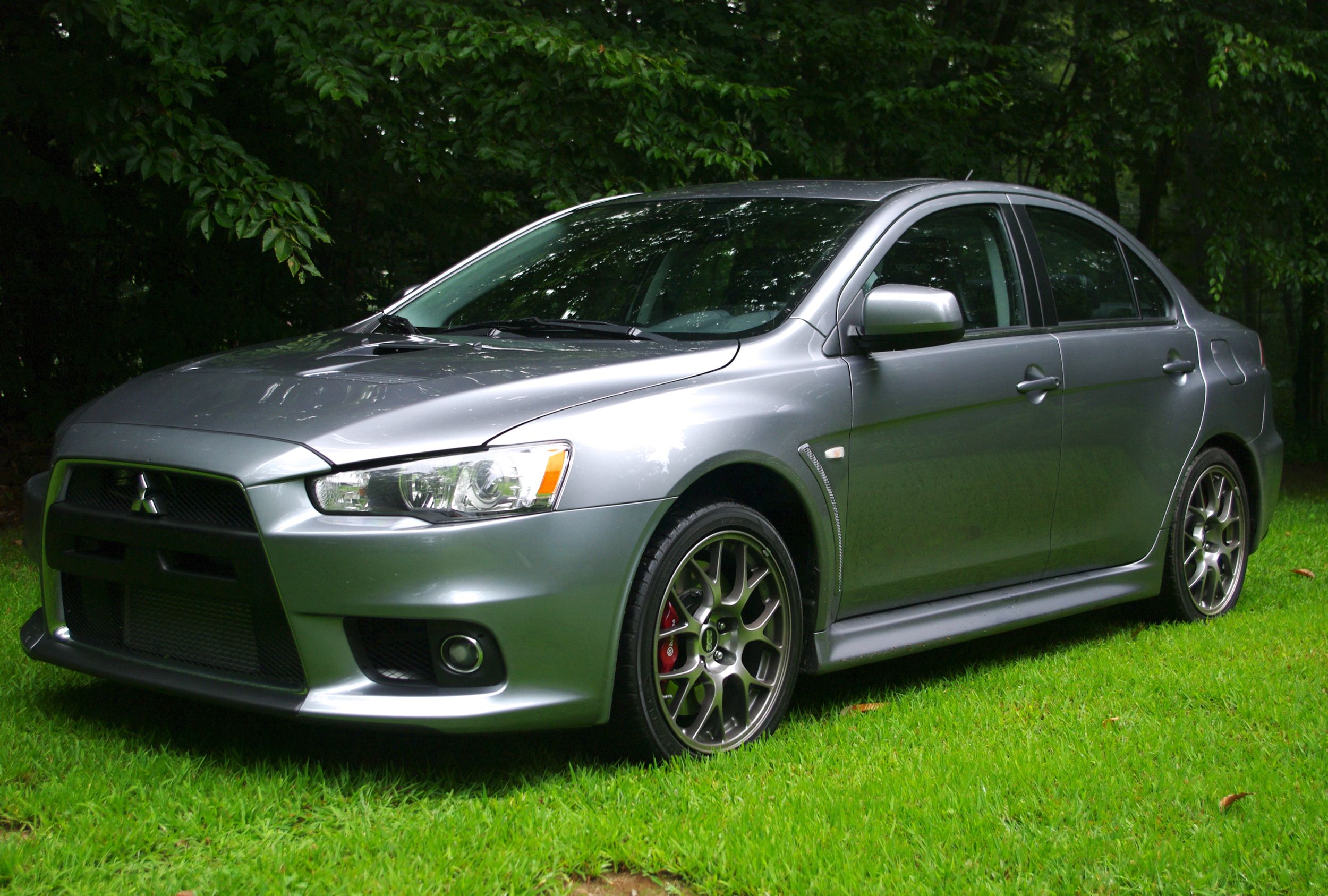
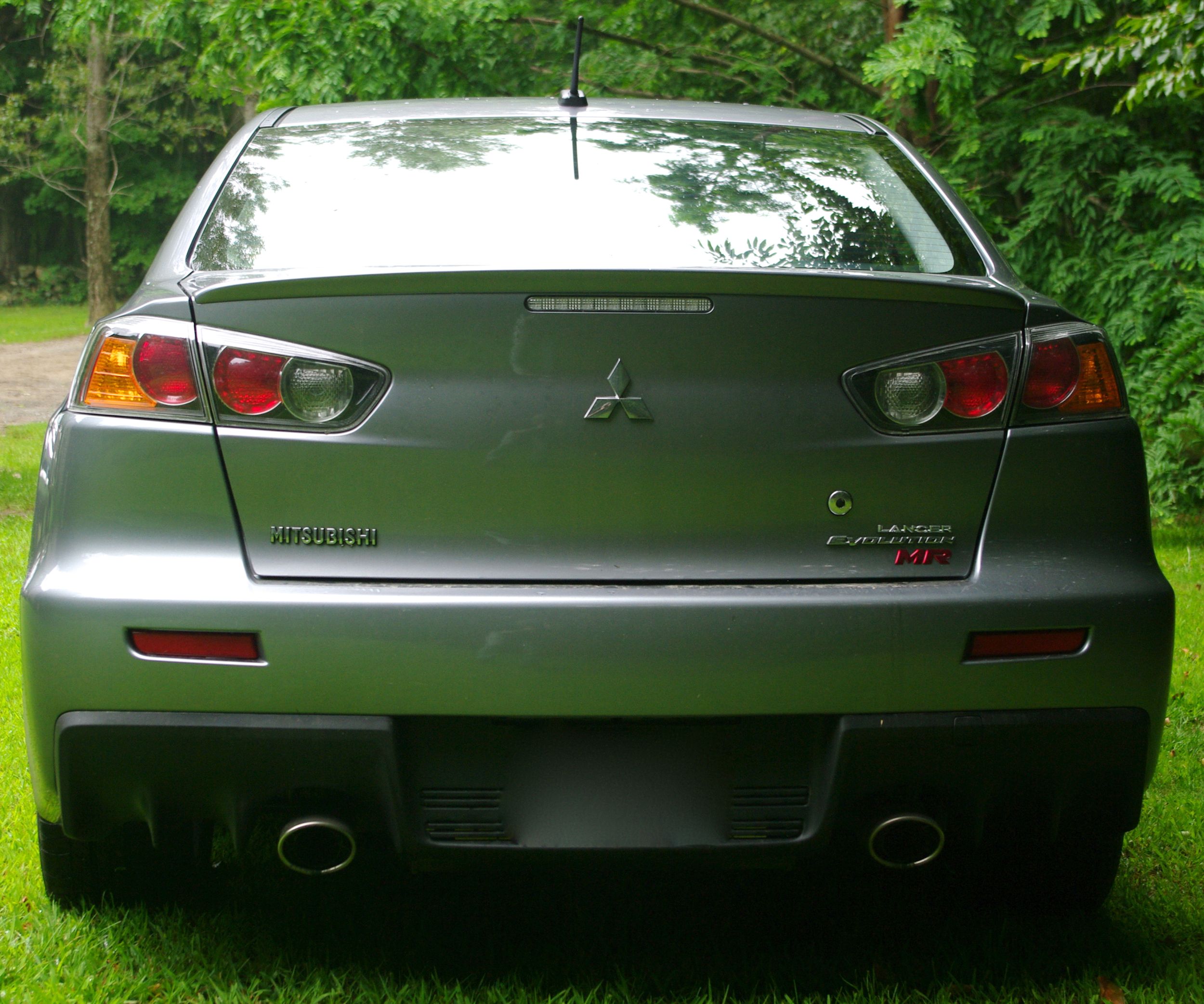
True confession: I’ve always had a soft spot for Mitsubishi autos because many years ago the wife-unit used to have one and yes, it had its faults. But it was a very fine wagon with an Inline Four that idled with scary, almost mystical smoothness. Fast forward to years later, when the first Mitsubishi Lancer Evolution (aka the EVO, hence the odd Devo reference) found its way to my driveway. I immediately was smitten with its wild-child power, it’s ultra-clingy suspension and All-Wheel-Drive, and its wonderful Recaro seats. It was a strange car in every aspect including its name, as I don’t even remember which version of the Evolution it was as the US never saw the first versions which were carving up tarmac in other markets for a few years. There are many Roman Numerals that follow this car like a security SUV in a gated community, and America wasn’t the first market for this wily sedan.

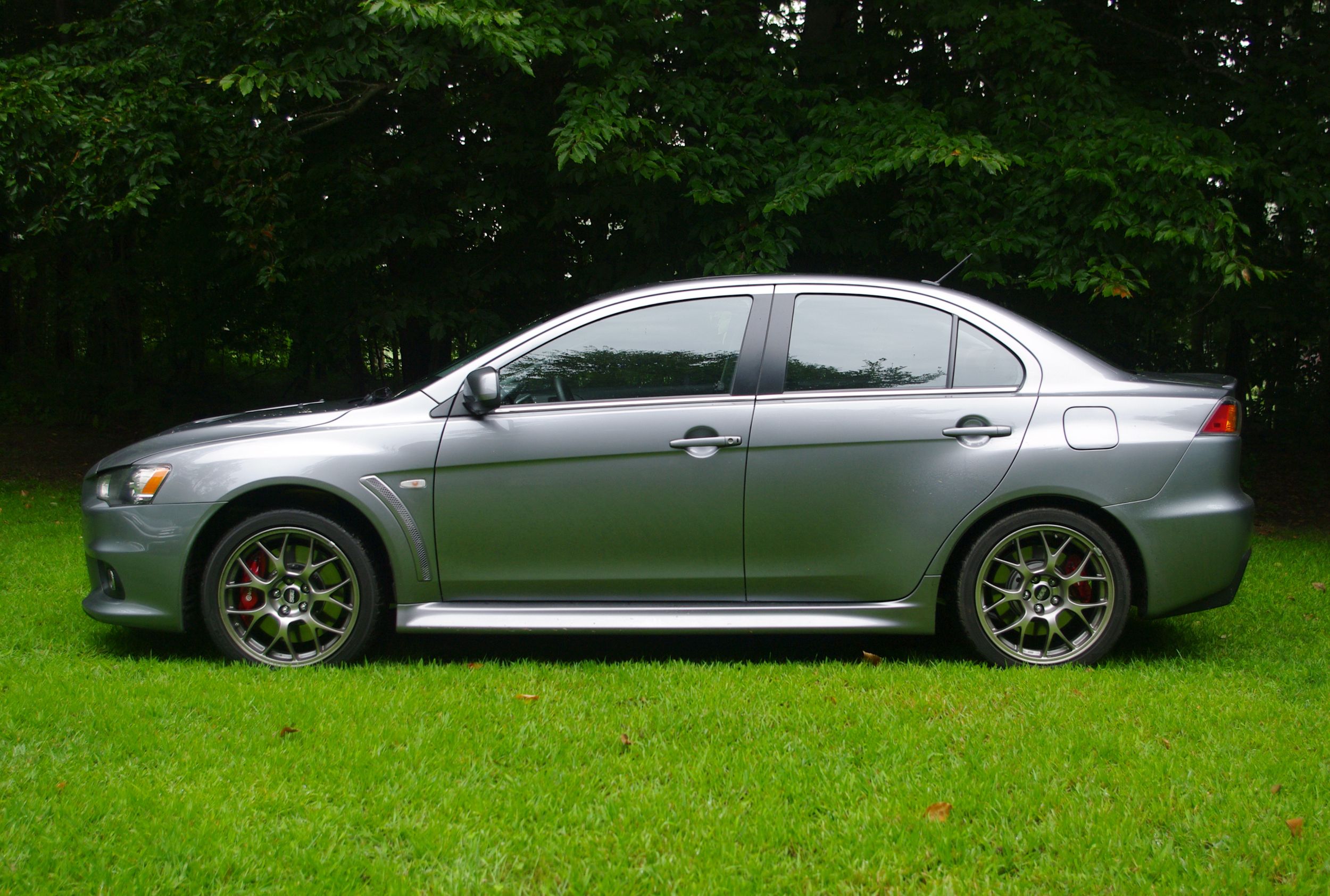
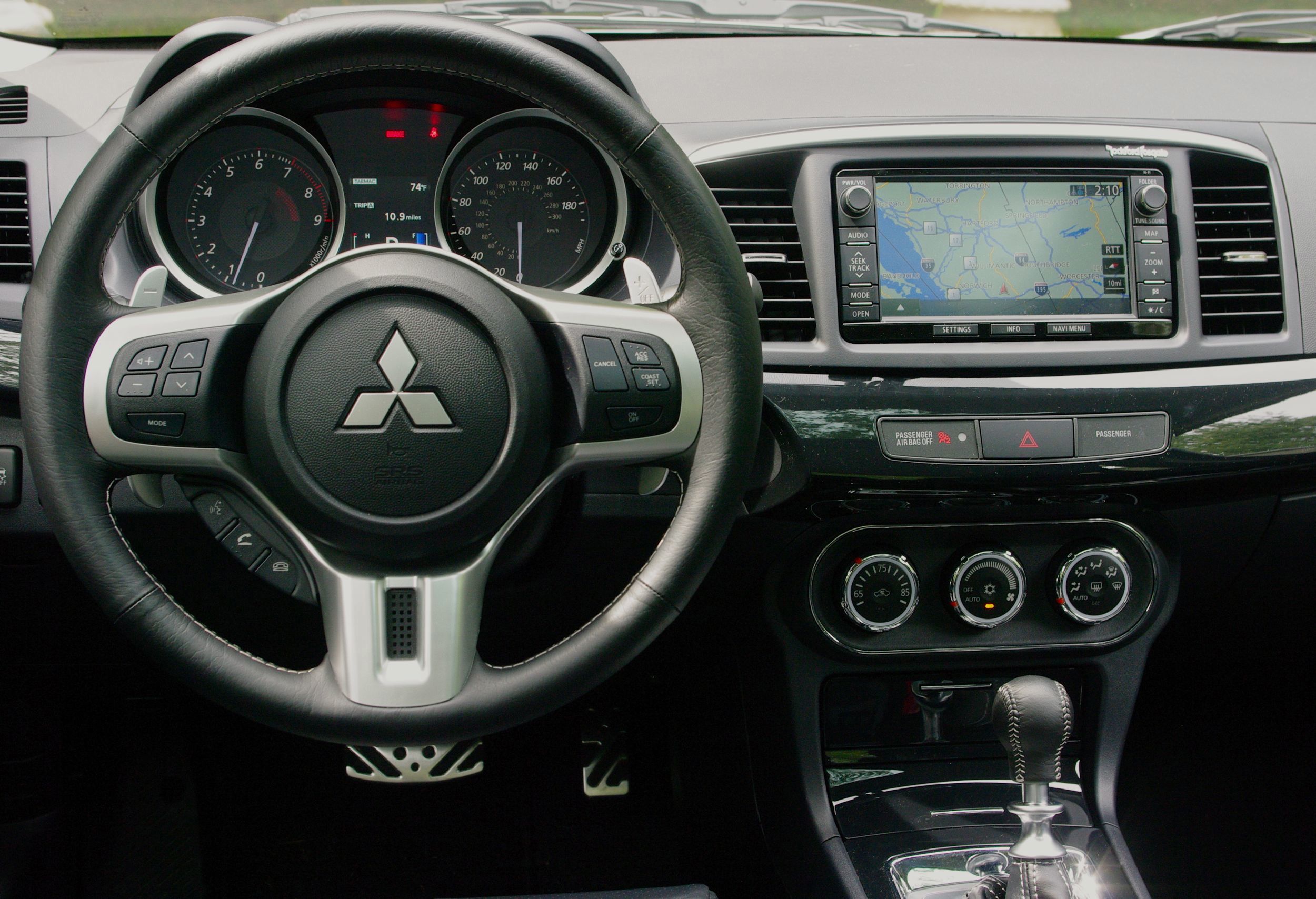
But this is not a retrospective piece, but rather a commentary on the the 2014 model (even though it’s not 2014 yet. How do they do that? Witchcraft!). In many ways it is a typical EVO with the strengths and weaknesses its always had, and I’ll start on the negative first to get it out of the way. This is a $45K car, yet the doors still sound like you slammed an empty filing cabinet closed when you shut them. Likewise there’s lots of cheapish plastic in the interior, and the radio/nav interface is less than brilliant. You will also not set any gas mileage records, for this highly-strung turbocharged dragonette doesn’t (if you will pardon the expression) roll like that.

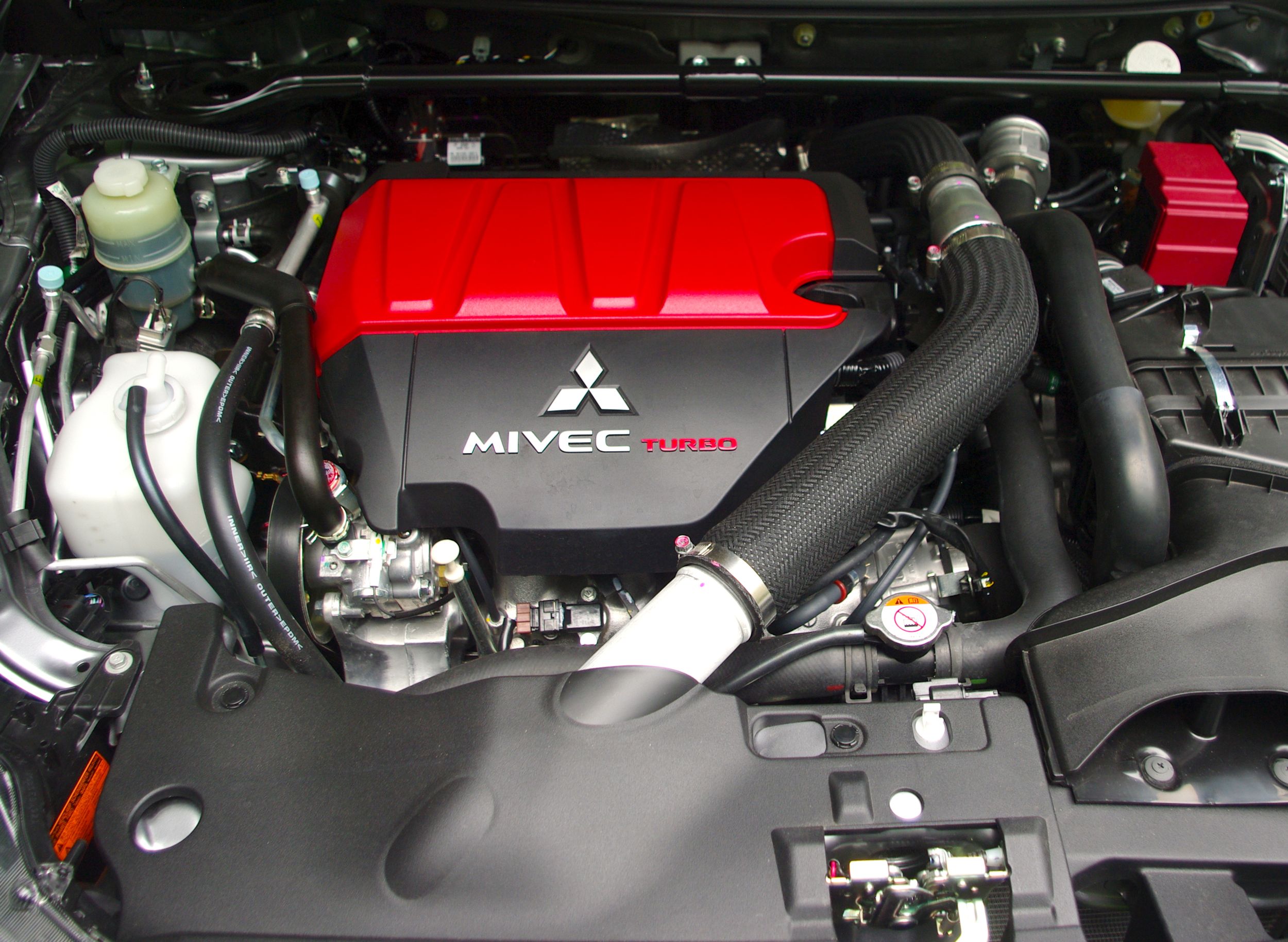
But other than these foibles, the rest is a bit excellent. The hard parts of this car are a rally racer’s dream, and it’s no surprise it had much success sliding around in the dirt all over the world. First there’s the mill mentioned earlier, which despite its modest 2-liter displacement belts out 291 horsepower of intercooled turbo goodness. Since this vehicle weighs considerably less than a Hummer or even a Tesla S (which is a bit of a tub in terms of mass), it flies low with little effort. This light footprint also helps the chassis flick about with the greatest of ease, as well as stop like a junkyard dog on a chain with the help of some seriously potent Brembos. One area of contention in my camp has been the 6-speed Twin-Clutch SporTronic® Shift Transmission (TC-SST), but they have really sorted this gearbox out brilliantly and it finally achieves what they set out to do-instant, sharp gear changes that maximizes all available power. The manual mode includes steering wheel paddles (which are now downright common), and this is further enhanced by Mitsubishi’s Super All Wheel Control All Wheel Drive with 3 modes: Tarmac, Gravel and Snow to fine-tune response. Is it quick? Very. I clocked 0-60 runs in just over 6 seconds in less than ideal circumstances. Our MR model also included Bilstein shocks and Eibach springs, and both offered a (very) firm ride but worked better and better over more challenging pavements as the pace increased. As in the past, steering feedback was excellent. Also similar to past iterations is the use of Recaro buckets to help restrain your innards from flying around the cabin during “antics.” These are very comfortable for the driver, although it should be said my passenger wasn’t wild about them. More adjustments might help this situation, although the design of these fine perches are so focused on the business of driving they do seem odd to those used to “regular” car seats.

All the rest is less than silence, as the car had an optional (and very powerful) 710-watt Rockford Fosgate sound system, incorporated with the standard 6.1-inch central graphic display. There’s a lot of cheapish plastic, which like I mentioned when talking about the door’s acoustics seems out of place on a $45K machine. But the thing is, the money does get spent on the right stuff. From the drivetrain to the chassis to those pilot-quality Recaros the EVO is still a true street-legal rally car that is a peerless joy to flog. As many in the automotive press seem to be on a deathwatch for Mitsubishi’s car concern in the US, it’s wicked little demons like this pumped-up Lancer that make me hope for their survival. It really is unique, and like the company itself worth our patronage.

Curse You, Red Baron!

There has always been a connection between airplanes and motorcycles, most notably the fact that they both lean to the inside when they turn. I should include bicycles and gliders here, obviously, but for the moment we’ll stick to just planes and motorcycles because there is another (and to be fair, much looser) similarity between the two when it comes to Moto Guzzis. My intrigue with this time-tested brand of motorcycle has to do with the feeling I get when I ride one, thanks primarily to its iconic, transverse-mounted, air-cooled 90-degree V-Twin engine. I often feel like a barnstormer when railing a “Goose” through the turns, as if I’m terrorizing a herd of pigs with a Stearman biplane. There’s something about those big ol’ cylinders poking out in the breeze and the associated valve clatter that puts me in this vintage frame of mind. That, and the fact that, you know, it leans over (the right way) in turns.

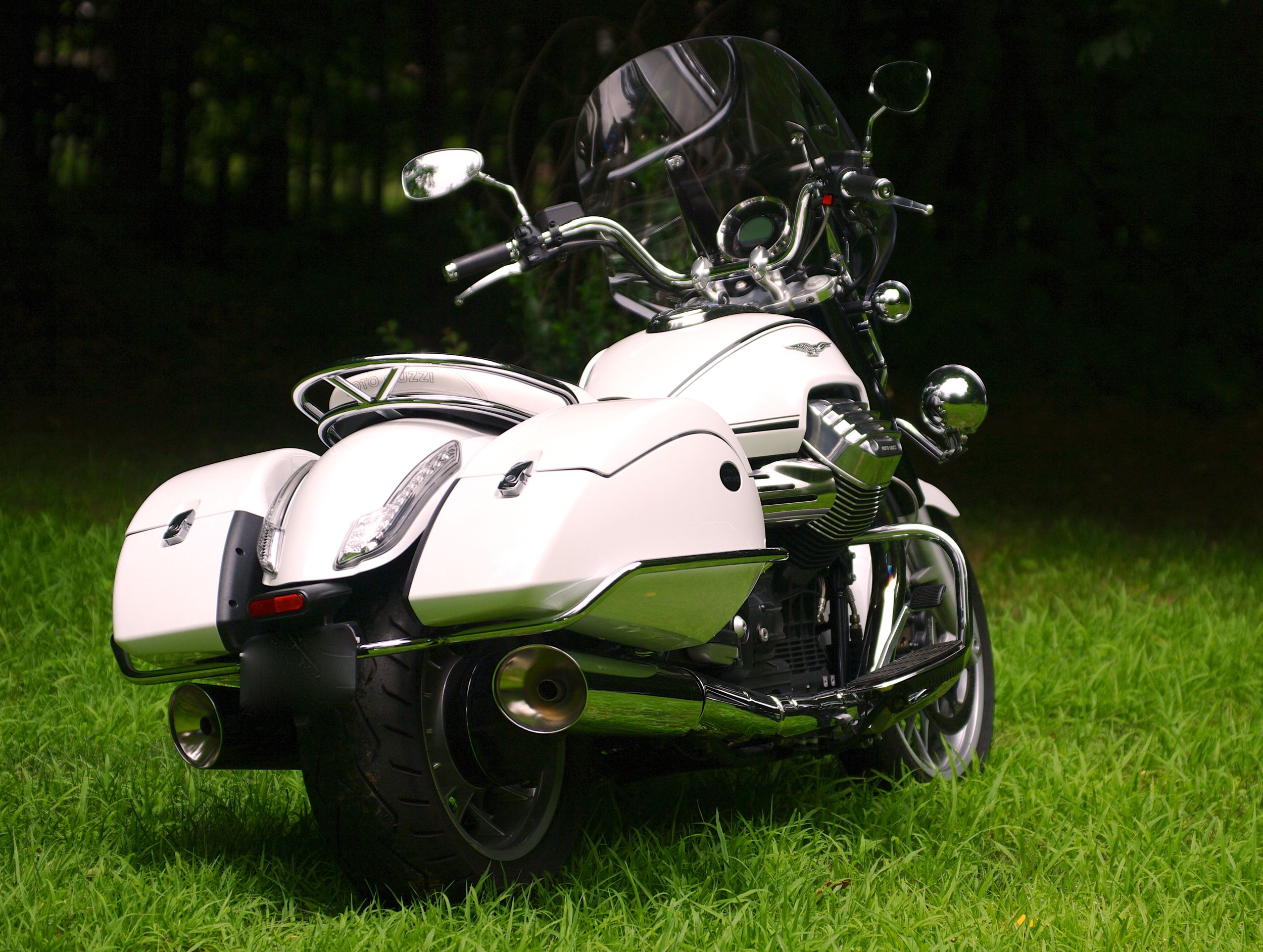
Ah, the Moto Guzzi. What’s really cool about this Italian marque is how they’ve managed to hang on to this wonderful mechanical feeling all while keeping their machines up to date and seamlessly incorporating some of the latest technology. The all-new California 1400 Touring is a big, loaded touring liner that mixes the old with the new in fine fashion, and despite weighing nearly 750 lbs. is surprisingly light on its feet. It may look like a vintage police bike (Guzzi sold a lot of cop mounts in the USA in the 70’s), and in fact this state-of-the-art machine owes its heritage to the 1970 V7 Guzzi that was the first “foreign” bike to get the Los Angeles Police Department fleet contract. A “civilian” version was created and thus the California was born.

The 2014 iteration has the largest production air-cooled V-Twin motorcycle engine to ever come out of Europe, and displaces a sizable 1380cc. The design is classic, but inside we have contemporary fuel injection with a choice of three rider-selectable maps (Touring, Fast and Wet) to fine-tune performance. The big mill has gobs of low-end torque and is commendably smooth at speed considering there are two huge transverse-mounted pistons wailing away just in front of your knees. Credit an “elastic-kinematic supports system” that allows the engine to shake without passing excessive vibes on to you or your passenger. The six-speed gearbox has well-selected ratios so the big bike can always use the power most effectively, and the shaft final drive gets Guzzi’s latest cardan drive engineering to eliminate undo shaft-jacking if you’re clumsy (and loutish) with your throttle inputs. Oh, and if you are still determined to be clumsy (and loutish) with your right wrist, a 3-level Traction Control system is on board to help keep the sizable 200-series rear tire from breaking loose without your say-so.

The chassis also has some very well-chosen suspension components, and while the front forks are non-adjustable (and have the vintage full-slider look) they work quite well. The big, high handlebar gives you great leverage and the only limit to aggressive cornering it the floorboard clearance, which is actually pretty good for this type of touring rig. Twin rear shocks are preload adjustable and deliver a very good ride overall. The seat is broad and built to stay comfy for the long haul, and the pillion is also generous in size and should get few complaints.

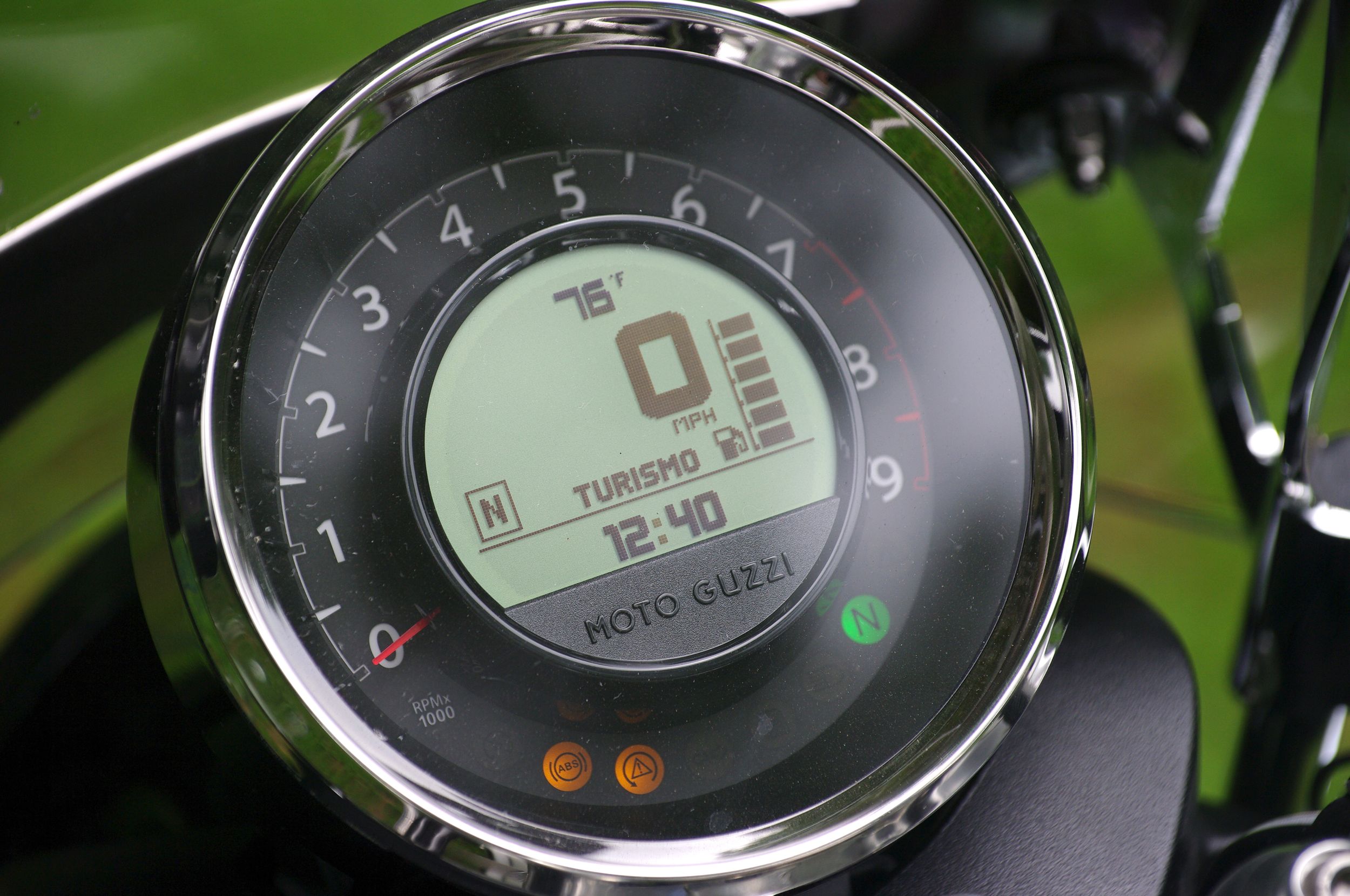
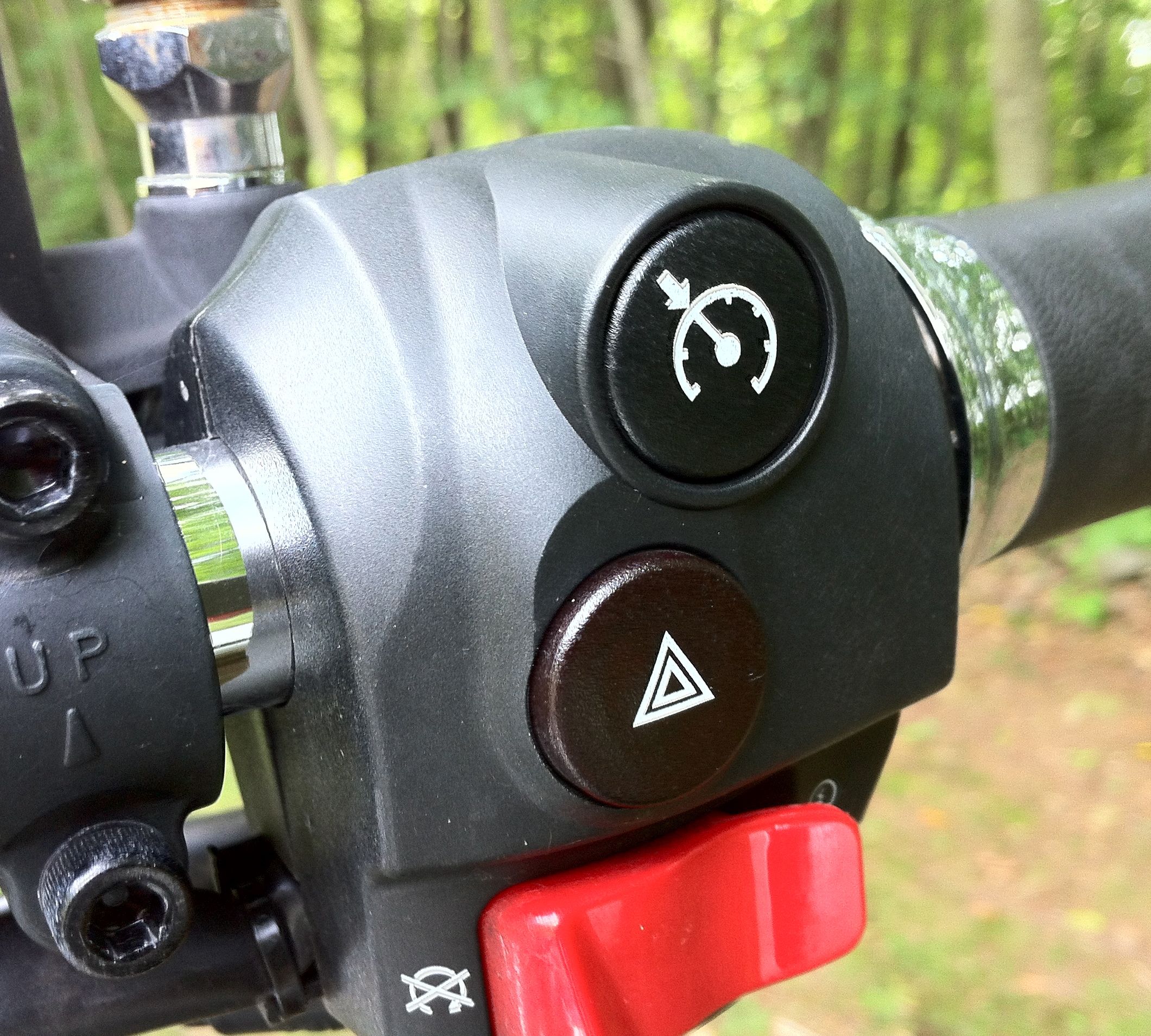
The big central instrument pod can toggle through a variety of menus and keep you informed of all manner of touring functions, while continuing the theme of simplicity and tradition in appearance. This bike also comes standard with cruise control, that (much to my amusement and admiration) operates with a single button next to the throttle. It works fine once you get the hang of it. The twin 35-liter panniers open at the top and are hinged at the front, and are fairly capacious but won’t swallow a full-face helmet. They also weren’t great at keeping out the rain, but as this press bikes had been “handled” by God knows who before it got to me someone may have tried to stuff Komodo Dragons in them and thus now they don’t seal as designed. Or, they are a tad porous. While I’m on the subject of rain, the windshield offers very substantial protection but even a wee 5’8” rider can easily see over it. Standard ABS Brembo triple-disc brakes are more than up to the task of bringing this Love Boat to a halt in short order, regardless of road conditions.

Wild things: an enormous and quite unique headlight array, using what Moto Guzzi calls a “complex surface that has a polielliptical light.” The rear LED taillights are also quite stylish and functional and equally distinctive. In fact, this whole bike is distinctive and yet it does have that wonderful Moto Guzzi look and feel, and it’s great fun to rail around on. The company has a full boat of excellent accessories available (including a tail trunk), and if you want to go the minimalist route the California 1400 Custom is much more basic and has won the endorsement of none other than Obi Wan Kenobi (aka actor Ewan McGregor). Perhaps if you desire a maximum Goose, this IS the bike you’re looking for.

Contemporary Ancient Tech

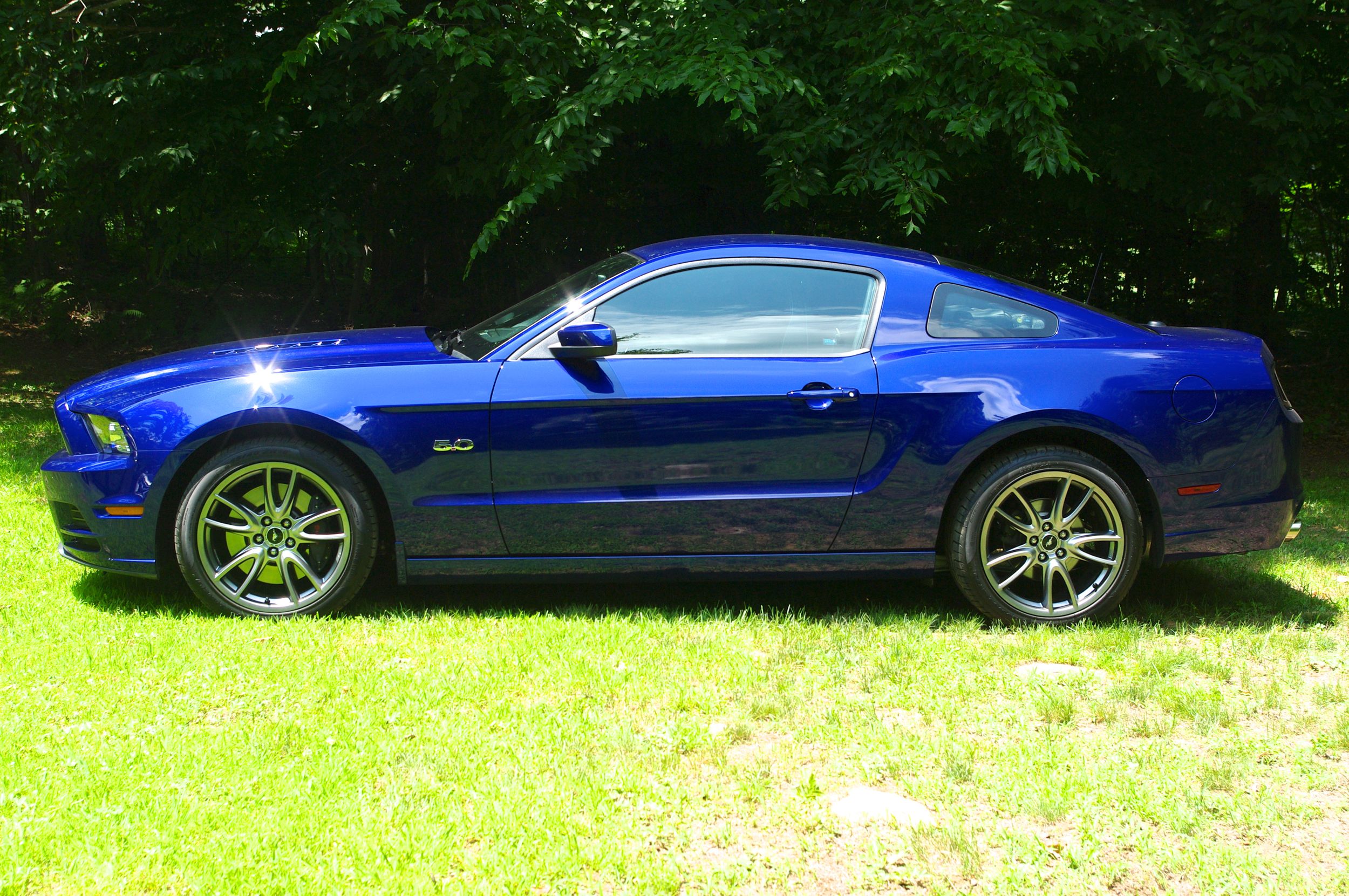
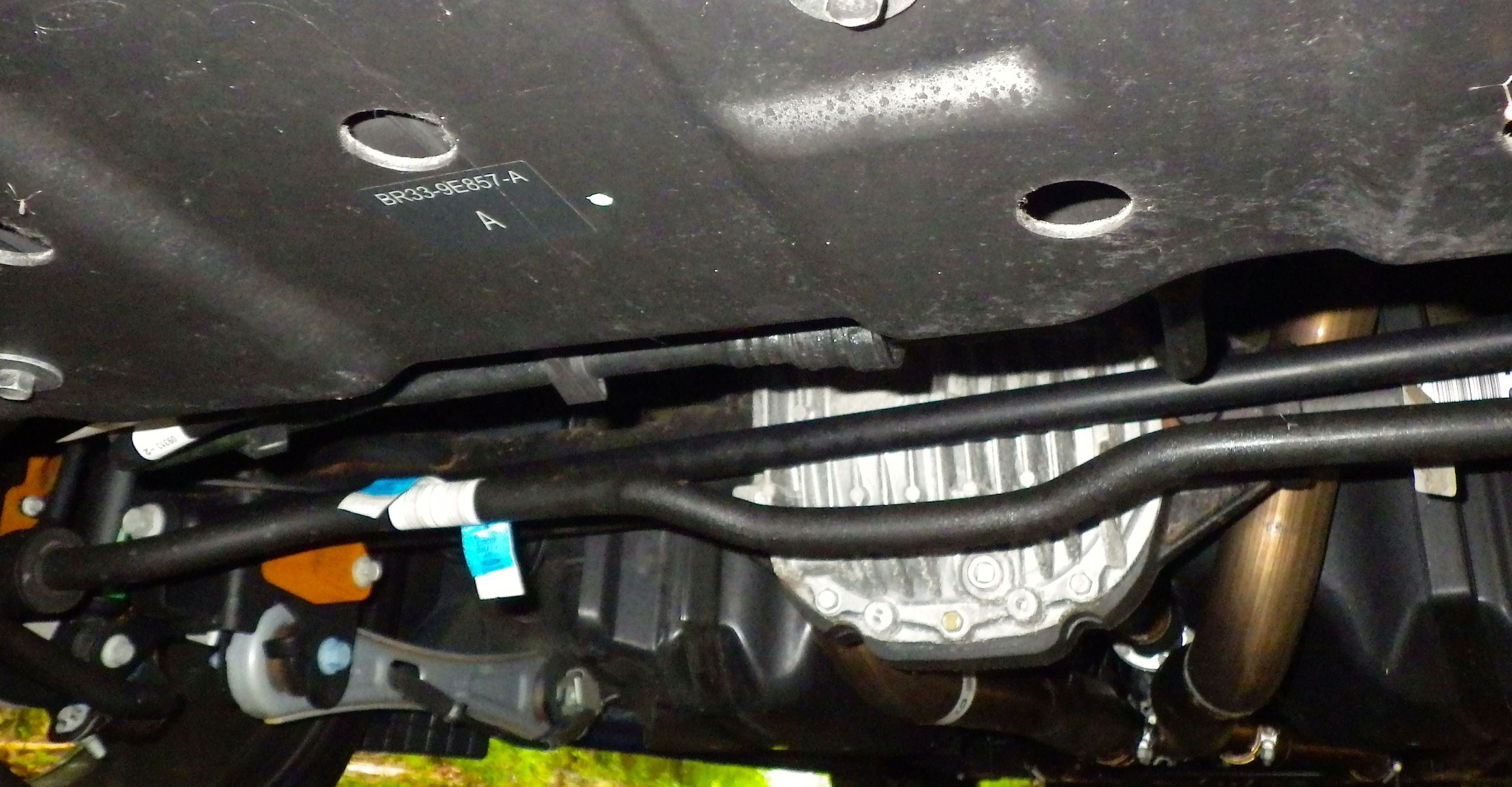
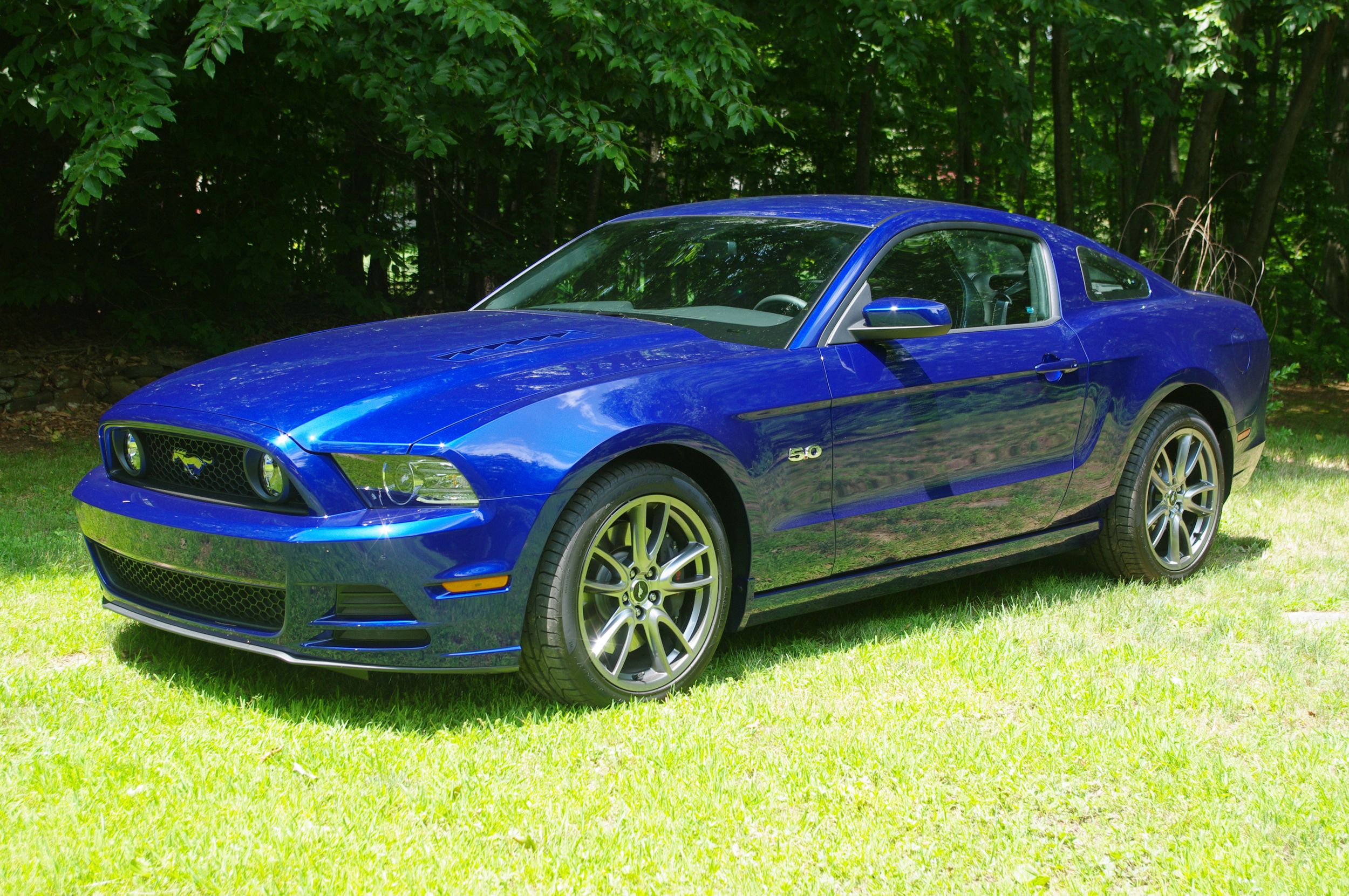
Despite the fact that I’ve never really had the Pony Car gene (although I have driven many entertaining representatives of the breed over the years), I’ve enjoyed the renaissance of the Ford Mustang, Chevy Camaro and Dodge Challenger. As a rule I haven’t been a fan of these weighty sportsters unless there’s something unusually compelling about the candidate in question. But the fact is, all the OEMs have done a very good job lately at refining and polishing these entertaining rides while upping the performance to very interesting levels. In the case of the Ford Mustang, they’ve done many great things to the styling, chassis and drivetrain and what’s most intriguing to me is how well the car does in the suspension department considering it still uses the seeming ancient live rear axle. I recently spent some quality time with the 2014 Mustang GT and of all the fun bits I’m still fascinated by that Conestoga-era rear end, and how well they’ve made this cheap, unsophisticated piece work quite satisfactorily in the vast majority of situations you’re likely to encounter.

Here’s a weird aside for those that like weird asides. Awhile back I was testing the latest generation of the Ford Superduty pickup, which in 4X4 guise had a straight front axle (unlike it’s arch nemesis the Chevy/GM HD pickup). At the time I remember thinking the beast had pretty decent front end manners considering how primitive (and rugged) the set-up was. I remember thinking that since the engineers have spent eons working with a straight axle, they have developed things pretty much as far as they could go considering a bump on one wheel will still get transferred to the other side of the axle, and thus effect handling depending on the severity of the jolt. But the big truck was acceptably compliant and you wouldn’t realize it was using ancient tech except under specific situations.

Which brings it to the new Mustang GT. It has a very contemporary independent front suspension, and a very ancient straight rear axle. However, one must note the Ancient One has very advanced dampers, and all manner of slick links (some composed of aluminum to minimize the unsprung weight and response time). It’s not near as clumsy as live axle setups of the past, and delivers a decent ride as well. All in all the composure and handling are quite competent, and allow you to exploit the goodness of the stout, rear-drive architecture.

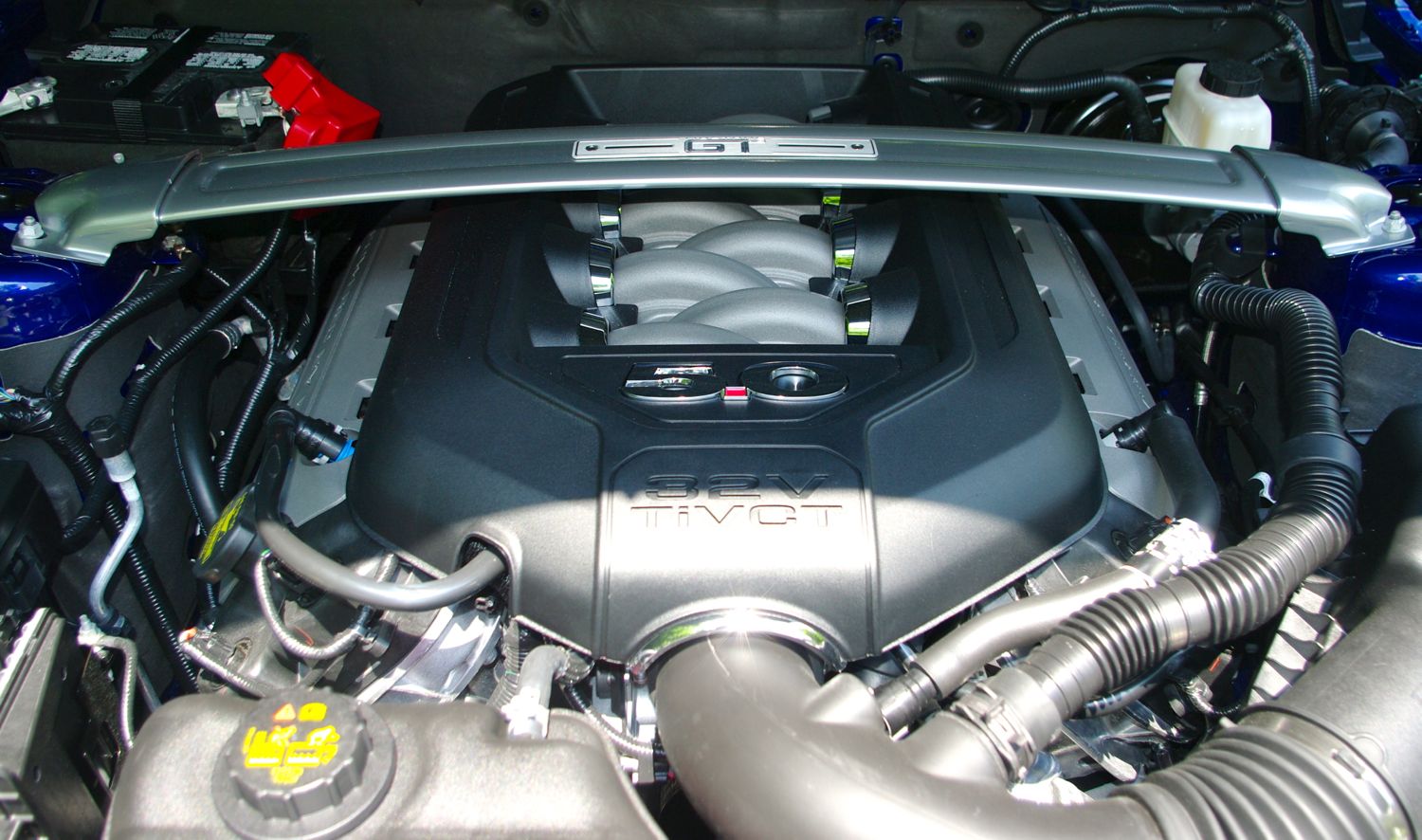
Of course, there is an engine and transmission involved in this exploitation. In the case of the former, we have a 5-liter V8 with a robust 420 horsepower and both an absolutely excellent exhaust note and an intoxicating intake howl. You get to pick from either a 6-Speed manual or 6-Speed Automatic, and we had the manual gearbox which like the rest of the car has undergone years of tweaking to now fits its role like a velvet glove. (velvet glove? I can’t recall ever wearing one so let’s say it fits like a well-worn leather motorcycle gauntlet. This is all in the interest of accurate metaphors and such. We all care deeply about such things, yes? Of course).

Both the shifter ergos and the ratios of the six speeds were spot on, and the clutch effort was nigh on perfect for my tastes. This makes the car a welcome companion when you’re hammering down a curvy bit of blacktop or just tootling to the store. The car can get to 60 MPH in around six seconds without breaking much of a sweat, and the super-sized Brembo front discs bring things to a halt in short order.

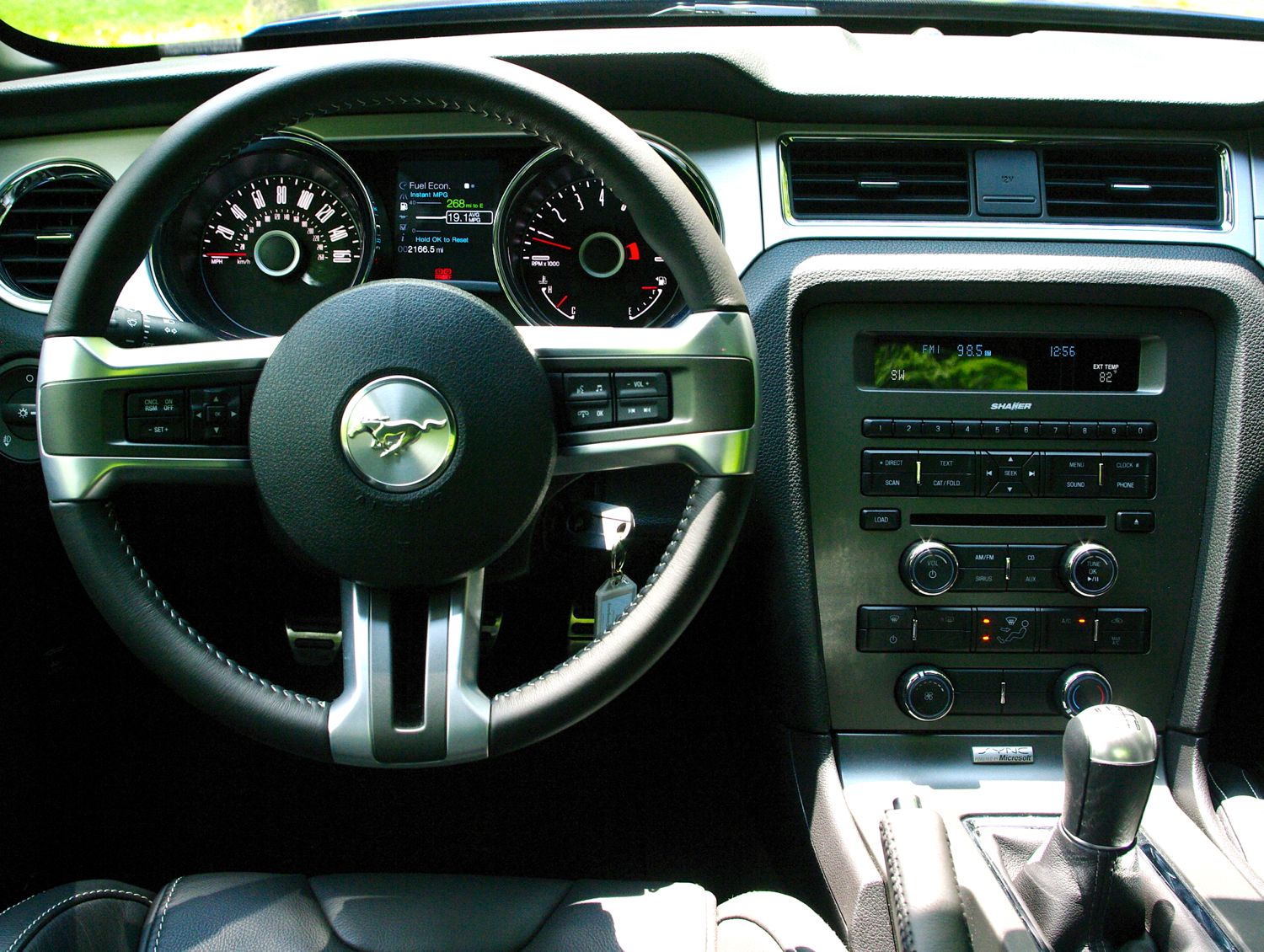
The GT I tested was blissfully free of a touch screen (available as an option in the NAV package), and while a navigation system can certainly benefit from the Kewl Kid’s favorite tech it has come to my attention that (and this goes for the bulk of voice activation activation juju as well) you can do things faster and more efficiently using conventional knobs and switches provided they’re intelligently placed (and I’m including voice activation in the universe of making things more complex as well). The big, round analog tach and speedo pods look very retro as they are supposed to do, with a fairly big trip computer in-between that pushes said pods kind of far from each other. Our GT had the optional Recaro buckets that I found wonderfully supportive but my passenger found unyielding and uncomfortable. The steering wheel tilts but doesn’t telescope, which is odd for a driver’s car you should be able to fine-tune to your physique.

Ultimately the new Mustang GT benefits from being a well-integrated whole as opposed to a collection of good parts, which is always a welcome discovery when you put miles on such an auto. Even though I’m not a Mustang addict I really enjoyed the car and looked forward to every outing in it. It felt solid, planted and yet still managed a classy bit of understatement, and it would be a tough pick between this and the Boss 302 I really liked in 2012. Who knows how I would feel if one component was missing, like the Recaros or the Brembos. But as equipped, the $40,330 car was just right. True, at around 16 MPG it isn’t a fuel economy champ but then this is not a car people tend to purchase with economy in mind.

And Then the Top Came Off

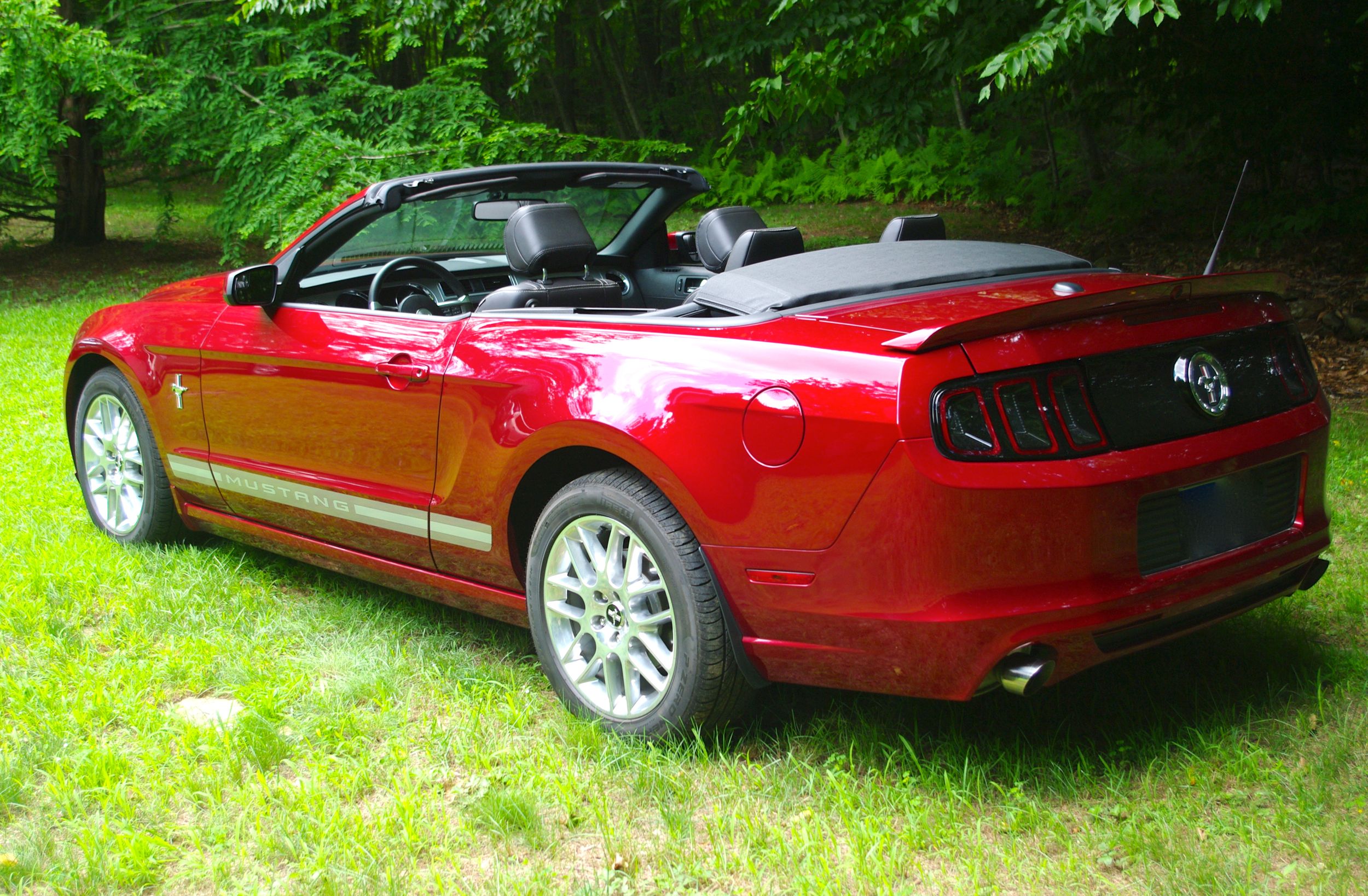
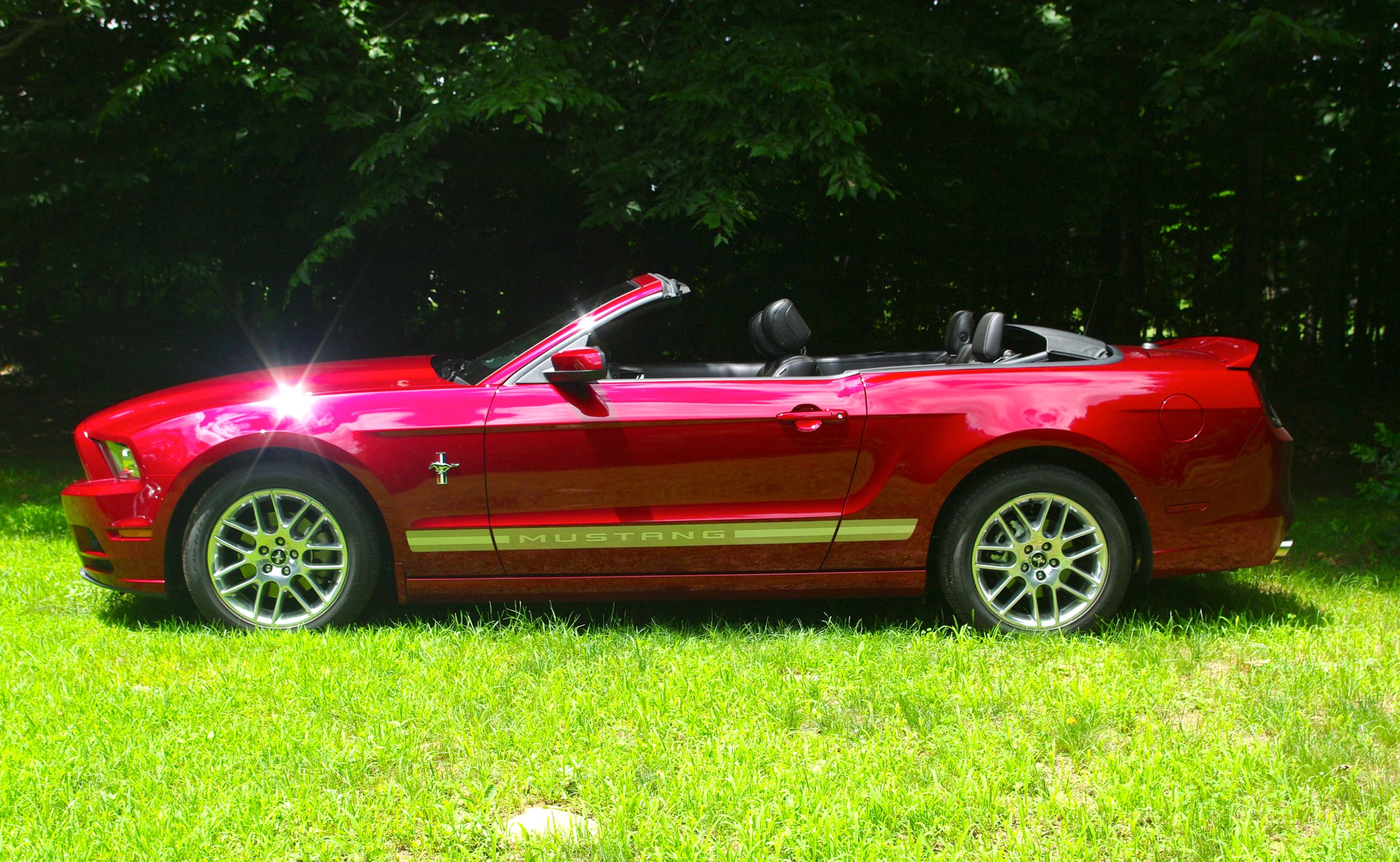
Ford was generous enough to see to it that I got to experience another, very different member of the 2014 Mustang family with the loan of a V6 Convertible with an Automatic transmission. So here I sampled the “other” Mustang powertrain along with a bit of drop-top living, and this unit was equipped with a navigation system with touch screen and a back-up camera.

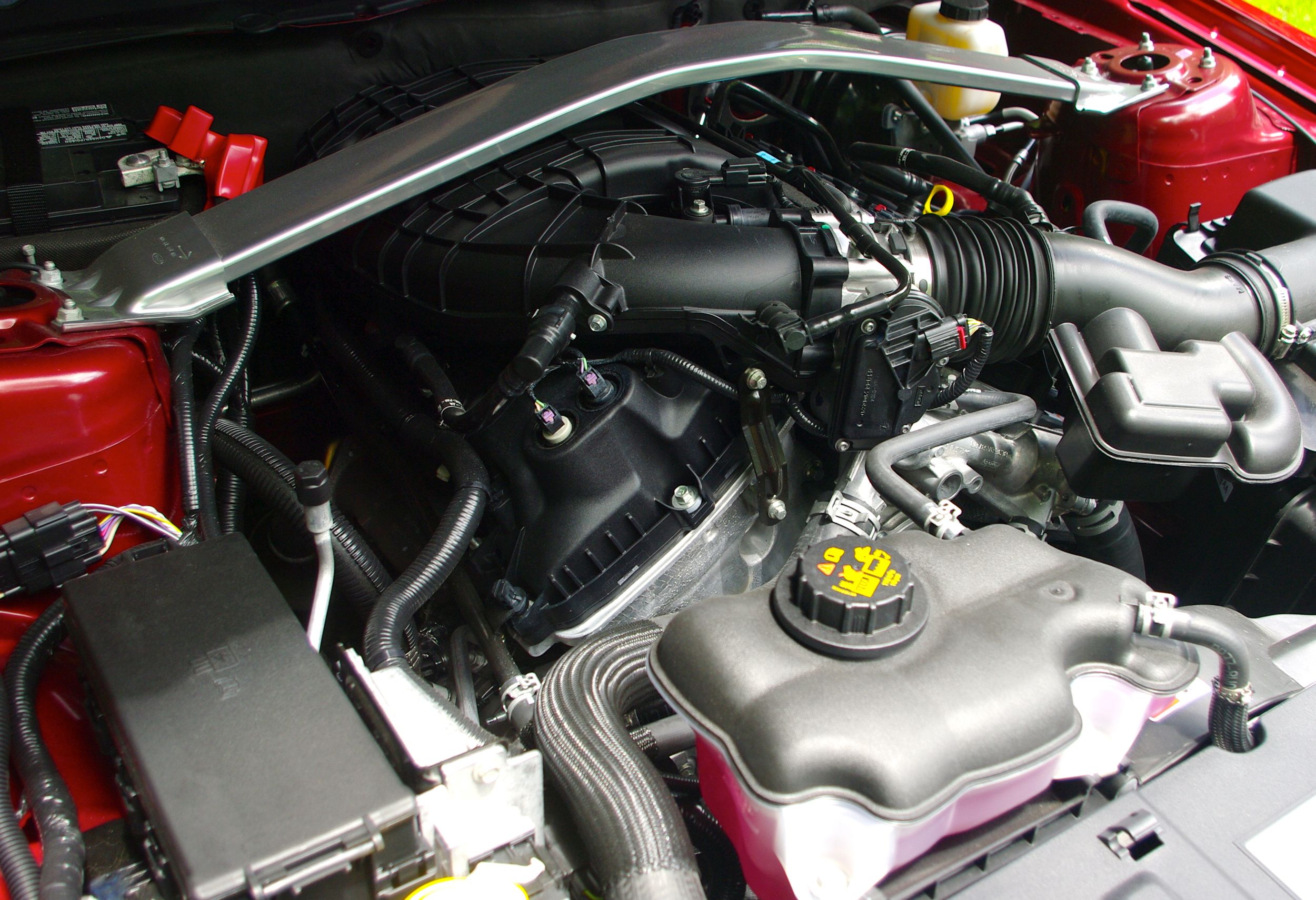
The V6 puts out a respectable 305 horsepower, and coupled with the 6-speed Auto moves out well (0-60 averaged under 8 seconds). What it lacks in sheer thrust it makes up for with refinement and surprisingly decent fuel economy (I averaged nearly 22 MPG in a week of mixed driving; quite an improvement over ye olde GT). The cloth top deploys and retracts easily at the touch of a button (and the flipping of a few levers), and seals well. The car is surprisingly quiet on the highway with the top up, and fairly turbulent-free with it folded away. The typical convertible drawbacks are here in the form of a smallish (but still usable) trunk, and some unpleasant cowl shake over rough roads. The last bit is still pretty common when coupes are made into convertibles as the unibody structure is reinforced but not enough to eliminate the phenomena, but it’s not the worse I’ve ever seen.

The inclusion of a touch screen adds Navigation functionality and the welcome back-up camera as I mentioned, but it also makes many radio functions more finicky than the more straightforward GT was. But, these days drivers touch screens seem to be all the rage and Ford is working hard to makes such systems more logical and intuitive. It’s not awful; it’s just that I hate making things more complex just because the new gadgets will fit in the car.

Overall, the latest generation of the Mustang is a fine piece that just gets better the more they tweak. The retro styling in my view is spot-on, inside and out. There are some practical downsides of course, but as everyone knows logical transportation is not exactly what this breed is about. And that old live axle keeps on keeping on, although I think its days are numbered. But it does work surprisingly well, and is a credit to the engineers who keep teaching this old dog new tricks. I prefer the GT for it’s driving manners, but the convertible is its own fun. Imagine: a car you can speak instructions to with a rear axle from the Chisholm Trail. Good Times.

P.S. No Equine Metaphors were hurt in the creation of the post.